

Replacing Missing Teeth in Austin: Your Complete Guide to Permanent Solutions
Your calendar is packed with upcoming family photos and a daughter’s wedding. You’ve got the outfit picked out and hair appointment scheduled. Yet every time you think about smiling in those pictures, anxiety creeps in. That gap where your molar used to be. The partial denture that clicks when you talk. The bridge that never quite felt like your own teeth.
I know this because I’ve guided hundreds of Austin-area patients through this exact decision – patients who came in frustrated by temporary fixes and left with permanent tooth replacement solutions that let them eat, speak, and smile without a second thought. Here’s what most dentists won’t tell you about replacing missing teeth and the decision framework that actually helps patients choose the right solution for their situation.
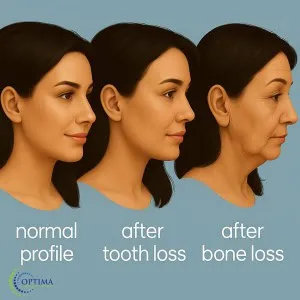
What Happens When You Delay Replacing Missing Teeth
Missing teeth create problems that extend far beyond appearance. Your jawbone needs stimulation from tooth roots to maintain its density and structure. Without that stimulation, the bone starts to deteriorate – typically losing 25% of its supporting structure within the first year after tooth loss.
This bone loss accelerates over time. The jaw literally shrinks and changes shape, which affects:
- Your bite pattern – Remaining teeth shift into empty spaces, creating misalignment that strains your jaw joints
- Your face shape – Lost bone structure causes facial sagging and premature aging appearance
- Your chewing ability – You start favoring one side, which overworks those teeth and increases their failure risk
- Your speech clarity – Gaps change how air flows when you form words, creating lisps or whistling sounds
- Your future treatment options – Severe bone loss requires extensive grafting before dental implants can be placed
The earlier you address missing teeth, the simpler and more affordable the solution becomes. Waiting makes every replacement option more complex and expensive.
Your Tooth Replacement Options: An Honest Comparison
Patients ask me which replacement option is “best,” but that’s the wrong question. The right question is which option fits your specific situation – your bone health, budget, timeline, and what you’re willing to accept in terms of maintenance and longevity.
Dental Implants: The Gold Standard for Permanent Replacement
Dental implants replace both the tooth root and crown, creating a permanent solution that preserves jawbone and functions exactly like your natural teeth. A titanium or ceramic post is surgically placed into your jawbone, where it fuses with the bone through osseointegration over 3-6 months. Once healed, a custom crown is attached.
Best for: Patients with adequate bone density who want a permanent solution
Advantages:
- Preserves and stimulates jawbone growth
- Functions and feels like natural teeth
- Never requires removal for cleaning
- Doesn’t damage adjacent teeth
- Can last a lifetime with proper care
- No dietary restrictions once healed
Considerations:
- Requires surgery and 3-6 month healing period
- Higher upfront cost (though better long-term value)
- May need bone grafting if bone loss has occurred
- Not suitable for patients with uncontrolled diabetes or who smoke heavily
We use only U.S.-manufactured implants with a 12-year limited warranty. Success rates exceed 93% over ten years when placed by experienced surgeons.
Fixed Dental Bridge: Replacing Teeth Using Adjacent Support
A fixed bridge uses the teeth on either side of the gap as anchors. Those adjacent teeth are filed down and capped with crowns that support a false tooth (pontic) in between. The entire structure is cemented in place permanently.
Best for: Patients who need a non-surgical option and have strong adjacent teeth
Advantages:
- No surgery required
- Completed in 2-3 dental visits over a few weeks
- Fixed in place – never removed
- Restores chewing function effectively
- More affordable than implants initially
Considerations:
- Requires permanently altering two healthy teeth
- Those anchor teeth become more vulnerable to decay and fracture
- Doesn’t prevent bone loss under the gap
- Typical lifespan 5-15 years before replacement needed
- Difficult to clean under the pontic
Removable Partial Denture: Temporary or Budget-Friendly Solution
A removable partial denture is a plastic or metal framework that holds replacement teeth. It clips onto your remaining natural teeth with metal clasps and can be removed for cleaning.
Best for: Patients who need an immediate, budget-friendly solution or are waiting for implant surgery
Advantages:
- Most affordable replacement option
- Can be made quickly
- No surgery needed
- Easy to clean since it’s removable
- Can replace multiple teeth in different areas
Considerations:
- Must be removed nightly for cleaning
- Metal clasps often visible when smiling
- Can feel bulky and affect speech initially
- Doesn’t prevent bone loss
- May shift or click when eating or talking
- Requires periodic adjustments as bone changes shape
Flipper: Ultra-Temporary Cosmetic Solution
A flipper is the most basic option – a thin acrylic retainer with a replacement tooth attached. It’s held in place by wrapping around adjacent teeth like a retainer.
Best for: Very short-term use while waiting for permanent restoration
Advantages:
- Least expensive option
- Made in 1-2 days
- Fills the gap for photos or events
Considerations:
- Extremely fragile – breaks easily
- Not suitable for chewing
- Often uncomfortable and ill-fitting
- Meant only for days or weeks of use, not months
Complete Dentures: Full-Arch Replacement
If you’re missing all teeth in an arch, traditional dentures rest on your gums using suction (upper) or gravity (lower). They’re removed nightly for cleaning.
Best for: Patients missing all teeth who want a non-surgical option
Advantages:
- No surgery required
- Can be made relatively quickly
- More affordable than implant-supported options
- Easy to clean
Considerations:
- Restore only 10-20% of natural chewing ability
- Lower dentures especially tend to slip and require adhesive
- Accelerate bone loss since they rest on gums
- Require regular adjustments as bone shape changes
- Many patients find them uncomfortable long-term
- Can affect taste and speech
If you’re facing full-arch replacement, All-on-4 dental implants or Stabili-teeth® offer fixed, permanent alternatives that restore 90% of chewing function and never need to be removed.
The Case for Dental Implants vs. Bridges and Dentures
I tell patients this: every replacement option has tradeoffs between cost, convenience, and longevity. But when you calculate the true lifetime cost, dental implants often become the most economical choice.
Here’s why. A dental bridge costs less initially, but those anchor teeth will likely need replacement crowns or root canals within 10-15 years. The bridge itself requires replacement every 5-15 years. Over 25 years, many patients spend more on bridge maintenance and replacements than they would have on a single implant.
Dentures cost even less upfront but require replacement every 5-7 years as your bone shape changes. Each replacement costs several thousand dollars. The bone loss they cause also makes future implant placement more difficult and expensive.
Dental implants have a higher initial investment but require no replacement. They stimulate bone growth, maintaining your facial structure. They never damage adjacent teeth. With proper care, they last a lifetime – making them the only true one-time investment in tooth replacement.
The financial calculation matters, but function matters more. Implants restore 95% of your natural chewing ability. Bridges restore about 70%. Traditional dentures restore just 10-20%. That difference affects what you can eat, your nutrition, your social confidence, and ultimately your quality of life.
Am I a Candidate for Dental Implants?
Most adults with missing teeth qualify for dental implants. The key requirements are:
- Adequate bone density and height – Your jaw needs sufficient bone to support the implant. If bone loss has occurred, we can rebuild it through bone grafting procedures
- Healthy gums – Active gum disease must be treated before implant placement
- Completed jaw growth – Adults whose jaws have finished developing (typically age 18+)
- Good overall health – Controlled chronic conditions are fine, but uncontrolled diabetes or immune disorders may affect healing
- Non-smoker or willing to quit – Smoking significantly reduces implant success rates
Age is not a limiting factor. I’ve successfully placed implants in patients in their 80s and 90s. What matters is bone health and overall medical status, not your birth year.
Our dental implants checklist helps you evaluate whether you’re a good candidate. During your complimentary consultation, we’ll take 3D imaging to assess your bone structure and create a personalized treatment plan.
Advanced Implant Technology We Use at Optima
Not all dental implants are created equal. We exclusively use premium implant systems manufactured in the United States that come with 12-year limited warranties.
Single-Stage Implant Placement
Traditional implant surgery required two separate procedures – one to place the implant, then a second surgery months later to expose it and attach the healing abutment. Modern single-stage implants eliminate that second surgery.
We place the implant with the healing abutment already attached, which protrudes slightly above the gum line. This approach reduces your total treatment time and eliminates one surgical appointment. Healing still takes 3-6 months while the implant fuses with bone, but you avoid the second procedure entirely.
Immediate Implant Placement
In certain situations, we can place your implant immediately after tooth extraction – during the same appointment. This approach works when:
- The extraction site is free from infection
- Adequate bone remains after extraction
- The implant can achieve primary stability in the socket
Immediate placement reduces your total treatment time by several months and preserves more bone structure. Not every extraction site qualifies, but when anatomy permits, it’s an excellent option.
Specialty Implant Options
We offer advanced implant technologies for specific needs:
- Ceramic (Zirconia) Implants – Metal-free option for patients with metal sensitivities or those seeking holistic alternatives. These white ceramic implants are biocompatible, corrosion-resistant, and closely match natural tooth color
- Zimmer Biomet Trabecular Metal – Cutting-edge material with bone-like structure that accelerates healing through its BioBoost Effect, multiplying natural growth factors for faster bone integration
The Implant Placement Process: What to Expect
Understanding the timeline helps you plan appropriately and set realistic expectations.
Phase 1: Consultation and Planning (1-2 weeks)
Your complimentary consultation includes comprehensive examination, 3D cone beam CT imaging, and treatment planning. We’ll assess your bone density, evaluate any infection or decay, and determine whether you need preliminary procedures like bone grafting.
You’ll receive a detailed treatment plan with timeline and transparent pricing before making any decisions.
Phase 2: Implant Surgery (1 appointment)
The implant placement surgery typically takes 1-2 hours per implant. We offer sedation options including nitrous oxide (laughing gas) and IV sedation for anxious patients.
The procedure involves creating a precise opening in the jawbone, placing the titanium or ceramic implant post, and closing the gum tissue around it (or leaving the healing abutment exposed with single-stage implants).
Most patients report minimal discomfort during and after surgery. You’ll receive detailed aftercare instructions and prescription pain medication if needed.
Phase 3: Osseointegration (3-6 months)
This healing period allows the implant to fuse with your jawbone through osseointegration. The bone literally grows around and into the implant surface, creating a stable foundation.
During this time, you’ll wear a temporary restoration to fill the space. You can eat, speak, and function normally with some restrictions on chewing directly on the healing implant.
Phase 4: Final Restoration (2-3 weeks)
Once osseointegration is complete, your restorative dentist takes impressions and creates your permanent crown. The crown is custom-designed to match your natural teeth in size, shape, and color.
The final crown attaches to the implant through an abutment (connector piece) and is either cemented or screw-retained in place.
Team Approach: How We Work With Your Dentist
Dental implant placement is a collaborative process. At Optima Dental Surgery, our team handles:
- Initial evaluation and 3D imaging
- Surgical implant placement
- Tooth extractions (if needed)
- Bone grafting and sinus lifts
- Follow-up healing assessments
Your restorative dentist manages:
- Final impressions and crown design
- Fabrication of permanent restoration
- Crown attachment and bite adjustment
- Ongoing maintenance and cleanings
Don’t have a restorative dentist? We’ll connect you with trusted professionals in our network who specialize in implant restorations.
Cost and Financing for Tooth Replacement
Investment in tooth replacement varies based on which option you choose and your specific treatment needs:
- Flipper: $300-$500
- Removable partial denture: $700-$1,800
- Fixed bridge: $2,500-$5,000 per tooth replaced
- Single dental implant: $3,000-$4,500 including crown
- Full-arch solutions: Contact us for detailed pricing
These are general ranges. Your exact cost depends on factors like whether you need bone grafting, how many teeth require replacement, and which implant technology best suits your situation.
We believe in transparent pricing and provide detailed treatment estimates before you commit to any procedure. We also offer flexible financing options through multiple lenders to make treatment accessible regardless of your budget.
Many patients qualify for 0% interest financing for 12-24 months, and extended payment plans with low monthly payments are available for larger treatments.
Why Patients Choose Optima Dental Surgery
Central Texas residents have trusted our team for over 20 years because we focus on three things:
- Transparent pricing – No hidden fees or surprise bills. You know your total investment before treatment begins
- Premium materials – U.S.-manufactured implants with 12-year warranties, never discount overseas alternatives with questionable quality control
- Experienced surgeons – Our team has over 30 years of combined experience in periodontics and implant surgery, having placed thousands of successful implants
We also offer complimentary consultations with 3D imaging included – a $300 value. This allows us to assess your bone structure, discuss all options, and create a personalized treatment plan without any financial commitment.
Schedule Your Free Consultation
If you’re tired of temporary fixes and ready to explore permanent tooth replacement options, schedule a complimentary consultation with our team. We’ll evaluate your specific situation, answer all your questions, and help you make the most informed decision about replacing your missing teeth.
Call our Round Rock office at (512) 341-2321 or request an appointment online. We serve patients throughout the Austin area including Round Rock, Cedar Park, Pflugerville, Georgetown, and surrounding communities.
Frequently Asked Questions About Replacing Missing Teeth
How long do dental implants last compared to bridges and dentures?
Dental implants can last a lifetime with proper care and regular dental checkups. The titanium or ceramic post permanently fuses with your jawbone and doesn’t deteriorate. The crown attached to the implant may need replacement after 15-20 years due to normal wear, but the implant itself remains stable indefinitely.
In contrast, dental bridges typically last 5-15 years before requiring replacement. The anchor teeth supporting the bridge often develop problems that necessitate additional dental work. Traditional dentures need replacement every 5-7 years as your bone structure changes shape, and implant-supported dentures last 10-15 years before needing new denture bases.
Does insurance cover tooth replacement options?
Coverage varies significantly by insurance plan. Most dental insurance plans provide partial coverage for bridges and dentures, typically covering 50% of the cost up to annual maximum limits. Implants have historically been excluded from many plans, though more insurers now provide partial coverage.
Your plan may cover the crown portion of an implant even if it doesn’t cover the surgical placement. We recommend calling your insurance provider to verify your specific benefits before treatment.
At Optima Dental Surgery, we accept assignment on most major dental insurance plans and will file claims on your behalf. For costs not covered by insurance, we offer flexible financing options through multiple lenders.
Can I get dental implants if I’ve had significant bone loss?
Yes, though you’ll likely need bone grafting first to rebuild adequate bone structure. Bone grafting procedures add bone material to areas with insufficient volume, creating a stable foundation for implant placement.
The amount of bone loss determines which grafting approach we use. Minor bone loss may only require a small graft placed during the same appointment as your implant. Moderate to severe bone loss requires a preliminary grafting procedure that heals for 3-6 months before implant placement.
Some patients who’ve been told they’re “not candidates” for traditional implants may qualify for All-on-4 or Stabili-teeth® procedures, which use longer implants angled to avoid areas with bone loss.
What’s the difference between All-on-4 and Stabili-teeth® implants?
Both All-on-4 and Stabili-teeth® are full-arch replacement systems that use four strategically placed implants to support a complete set of fixed teeth. The key differences lie in the prosthetic design and how the teeth attach to the implants.
All-on-4 uses a titanium bar framework screwed into the implants, with teeth attached to that bar. The entire prosthesis can only be removed by your dentist using special tools during maintenance appointments. Stabili-teeth® uses a different attachment system that some patients find more comfortable.
Both approaches restore approximately 90% of natural chewing function and provide fixed teeth that never need removal for sleeping. During your consultation, we’ll explain which system best fits your anatomy and preferences.
How painful is dental implant surgery?
Most patients report that implant surgery is far less painful than they anticipated. During the procedure, you’re completely numb from local anesthesia, so you feel pressure but no pain. We also offer sedation options for anxious patients, including nitrous oxide and IV sedation.
After surgery, discomfort is typically mild to moderate and well-controlled with over-the-counter pain medication. Most patients describe it as less painful than a tooth extraction. Any soreness usually subsides within 3-5 days.
We provide detailed post-operative instructions and prescription pain medication if needed. Ice packs, soft foods, and avoiding the surgical site help minimize discomfort during healing.
Can I eat normally with dental implants?
Yes, once fully healed, dental implants allow you to eat anything you could eat with natural teeth. Unlike dentures or bridges with dietary restrictions, implants restore 95% of your natural biting force.
During the 3-6 month healing period, you’ll need to avoid chewing directly on the implant site and stick to softer foods. Once the implant has fused with your bone and the permanent crown is placed, you can resume eating steak, apples, corn on the cob, and any other foods without worry.
What’s the success rate for dental implants?
Modern dental implants have success rates exceeding 93% over ten years when placed by experienced surgeons in patients with adequate bone and good oral hygiene. Success rates for individual implants typically range from 95-98% depending on location (lower jaw implants have slightly higher success than upper jaw).
Factors that improve success include non-smoking status, good oral hygiene, controlled chronic health conditions, and adequate bone density. We use only premium U.S.-manufactured implants with proven track records and provide 12-year limited warranties for added peace of mind.
How do I care for dental implants?
Dental implants require the same care as natural teeth – brushing twice daily, flossing once daily, and regular professional cleanings every 6 months. While implants themselves can’t develop cavities, the gum tissue around them can still develop infection if not kept clean.
Your dentist may recommend special floss threaders or water flossers to clean around the implant crown. Avoid smoking, which increases the risk of implant failure. Wear a night guard if you grind your teeth, as excessive force can damage the implant crown.
With proper care, the implant itself can last a lifetime. The crown may need replacement after 15-20 years due to normal wear.
How soon after tooth extraction can I get an implant?
The timing depends on your specific situation. In ideal conditions – when the extraction site is infection-free and adequate bone remains – we can place the implant during the same appointment as the extraction. This “immediate placement” saves months of treatment time.
If infection is present or the extraction was difficult, we typically wait 6-8 weeks for initial healing before placing the implant. If significant bone grafting is needed, we wait 3-6 months for the graft to mature before implant placement.
The earlier you replace extracted teeth, the easier implant placement becomes. Bone loss accelerates after tooth removal, so prompt treatment preserves more bone structure and may eliminate the need for grafting.
What happens if a dental implant fails?
Implant failure is uncommon but can occur during the healing phase or years later. Early failures usually result from inadequate osseointegration – the implant doesn’t properly fuse with bone. Late failures typically stem from peri-implantitis, an infection around the implant similar to gum disease.
If an implant fails, we remove it and allow the site to heal for 2-3 months. In most cases, we can place a new implant in the same location with excellent success. Our implants come with 12-year limited warranties that cover replacement if failure occurs.
Risk factors for implant failure include smoking, poor oral hygiene, uncontrolled diabetes, and grinding teeth without wearing a night guard. Following post-operative instructions and maintaining good oral hygiene significantly reduce failure risk.
Can I replace multiple missing teeth with implants?
Absolutely. Dental implants can replace any number of missing teeth. For multiple adjacent missing teeth, you don’t necessarily need one implant per tooth – we can place 2-3 implants and attach a multi-unit bridge to them.
For example, replacing three missing teeth might only require two implants with a three-unit bridge. This approach reduces cost while still providing stable, permanent tooth replacement.
If you’re missing all teeth in an arch, full-arch solutions like All-on-4 or Stabili-teeth® use just 4-6 implants to support an entire set of fixed teeth.