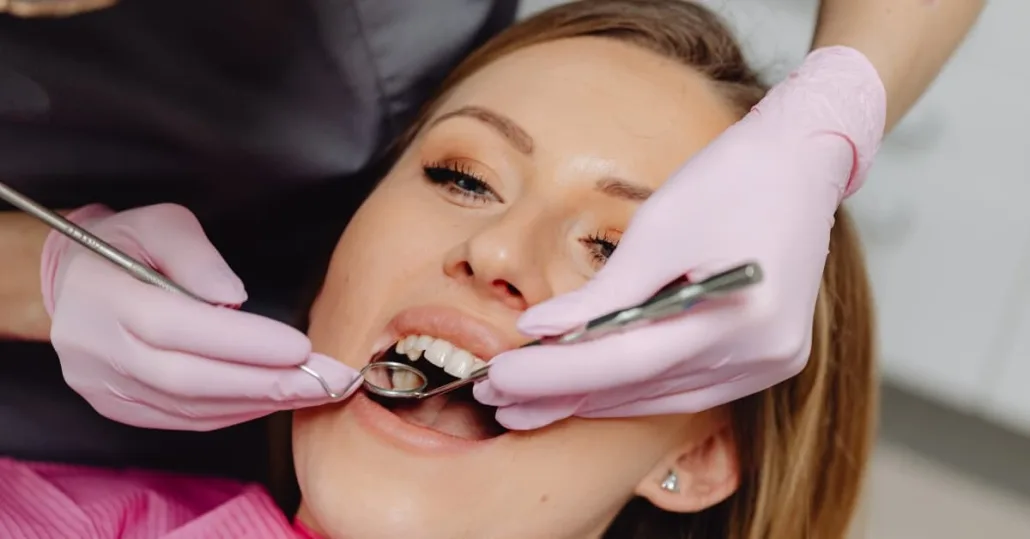
The surgery is done. You’re sitting in your car with a mouth full of gauze, prescription bag in hand, wondering if you just made a terrible mistake. Your mouth is numb, you’re already anxious about when that numbness wears off, and you’re not entirely sure what you’re supposed to do for the next two weeks.
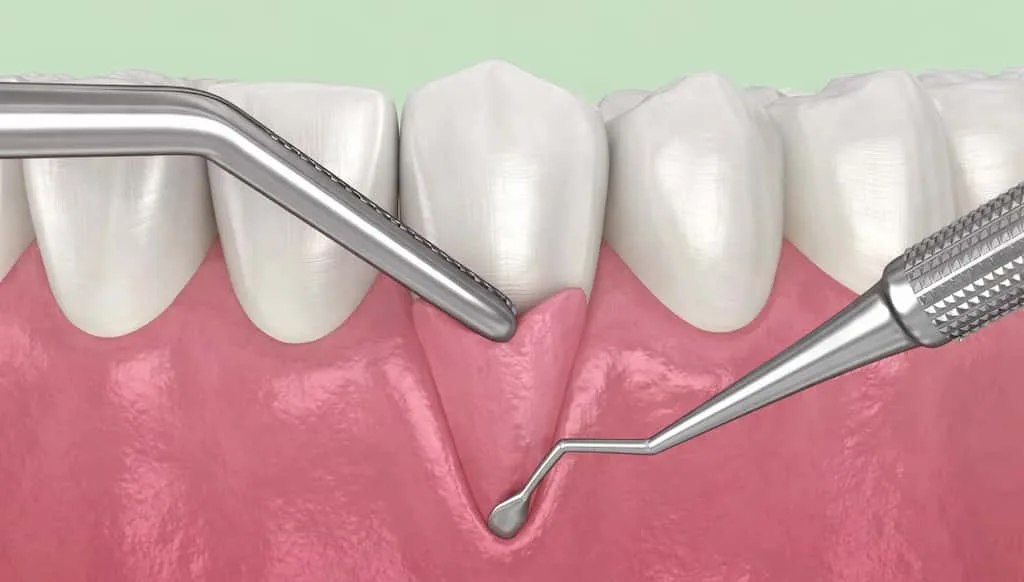
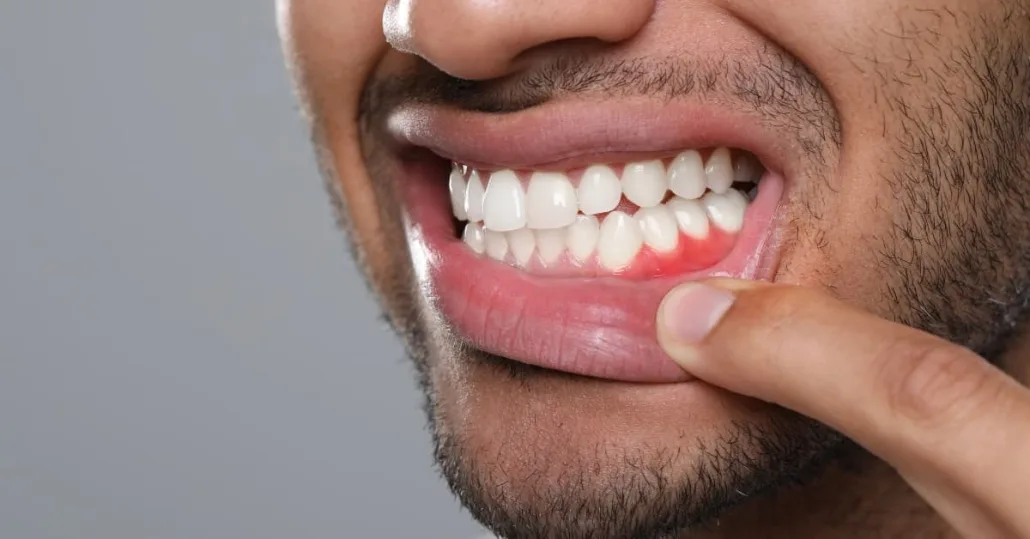
I know this feeling because I’ve guided hundreds of patients through gum graft recovery and helped them understand what normal healing looks like at each stage – including what the graft site actually looks like before and after treatment. That post-surgery uncertainty hits everyone: the worry about pain levels, confusion about eating restrictions, fear of accidentally disrupting the graft. Most patients do far better than they expect, but only when they know exactly what to do during each phase of healing.
Here’s your specific recovery roadmap – what happens during the first 24 hours when protection matters most, how to manage the palate discomfort nobody warns you about, which foods work during each healing phase, and the warning signs that actually need attention versus normal healing patterns. I’ll also show you exactly what gum graft healing looks like before and after at each stage, so nothing catches you off guard.
This isn’t about enduring two weeks of misery. This is about managing recovery strategically so you heal comfortably and your graft succeeds. A successful gum graft recovery depends less on “toughing it out” and more on following the right protocols during each phase of healing.
Key Takeaways
- The first 24 hours are the most critical – the graft needs complete stillness to establish blood supply to the recipient tissue
- Palate donor site pain typically peaks at days 2-3 and improves significantly by day 5 – it hurts more than the graft itself
- Protein intake of 60-80g daily is non-negotiable for proper tissue integration throughout recovery
- White or yellowish tissue on the graft during the first week is fibrin – normal healing, not infection or failure
- Sutures come out at days 10-14 – this is when gentle brushing of the grafted area can begin
- Full tissue maturation and color blending continue for 3-6 months after the initial 6-week active healing period
The First 24 Hours of Gum Graft Recovery: Critical Protection and Comfort Management

Your first day of post-surgical gum graft recovery determines how the rest of recovery unfolds. The graft needs undisturbed contact with underlying tissue to establish blood supply during these critical hours.
Take your first pain medication dose before numbness wears off. Set a timer for the next dose – staying ahead of discomfort is exponentially easier than catching up once it peaks.
Apply ice packs to your face over the surgical area – 20 minutes on, 20 minutes off – for the first six hours. Sleep elevated on two or three pillows to minimize blood flow and reduce swelling.
Your diet during this first day consists entirely of soft, cool foods that require zero chewing:
- Protein shakes or smoothies – blend completely smooth with no chunks, drink through a straw placed away from surgical sites, add protein powder to maintain nutrition
- Yogurt or pudding – room temperature or slightly cool, avoid any with fruit chunks or granola toppings, Greek yogurt provides extra protein
- Applesauce – smooth texture requires no chewing, provides easy calories, avoid varieties with added spices that might irritate
- Mashed potatoes – made smooth with extra butter or cream, cooled to lukewarm temperature, no chunks or crispy toppings
- Chicken or vegetable broth – cooled to warm rather than hot, provides hydration and minerals, sip slowly rather than gulping
Avoid hot foods completely – heat increases blood flow and can cause bleeding. Skip anything crunchy, chewy, or requiring significant jaw movement. Don’t use straws on the surgical side of your mouth. Don’t drink alcohol or use tobacco products.
You’ll have gauze placed over the graft site. Leave it undisturbed for the first hour, then remove it gently. Some oozing is normal. If bleeding continues, bite down gently on fresh gauze for 20 minutes. Heavy bleeding that won’t stop with pressure needs immediate attention – call the office.
Do not rinse your mouth today. Don’t brush near the surgical sites. Don’t look at the graft constantly by pulling your lip away to inspect it – that movement can disrupt positioning. Leave everything alone and let initial healing begin.
Managing Palate Donor Site Discomfort During Gum Graft Recovery
The palate donor site hurts more than the actual graft. You expect the grafted area to cause discomfort, but that tissue is typically numb. Palate discomfort is one of the most challenging parts of gum graft recovery, especially during the first three days.
The donor site is an open wound on your mouth’s roof. Every tongue movement, every swallow creates contact. Strategic eating helps – tilt your head forward when eating so food slides toward the front rather than washing across the palate.
Cold foods provide more relief than room temperature options during the first few days. The cooling effect temporarily numbs the donor site. Ice cream works well – despite dental professionals typically discouraging it – because the cold and smooth texture minimize discomfort while providing calories.
A protective stent might cover your palate donor site. This plastic guard shields the healing tissue from contact with food and your tongue. If you have a stent, wear it continuously except when eating and cleaning it. The stent feels bulky and affects your speech temporarily, but it dramatically reduces donor site discomfort. Most patients ask how long they need to wear the palate stent – the answer is until your follow-up appointment confirms adequate healing, typically 7 to 10 days.
The palate pain peaks around day two or three, then improves noticeably by day five. By the end of week one, most patients barely notice the donor site anymore. The graft site, meanwhile, stays relatively comfortable throughout recovery because it remains protected under your lip and gum tissue.
If the palate pain intensifies after day three instead of improving, or if you see white patches that look infected rather than the normal yellowish healing tissue, contact the office. Worsening pain suggests a problem that needs evaluation.
Days 2-7 of Gum Graft Recovery: Soft Foods and Oral Care
This week defines your recovery success. The graft is establishing blood supply and beginning integration with surrounding tissue. Your job is protecting it while maintaining adequate nutrition and keeping the area clean without mechanical disruption.
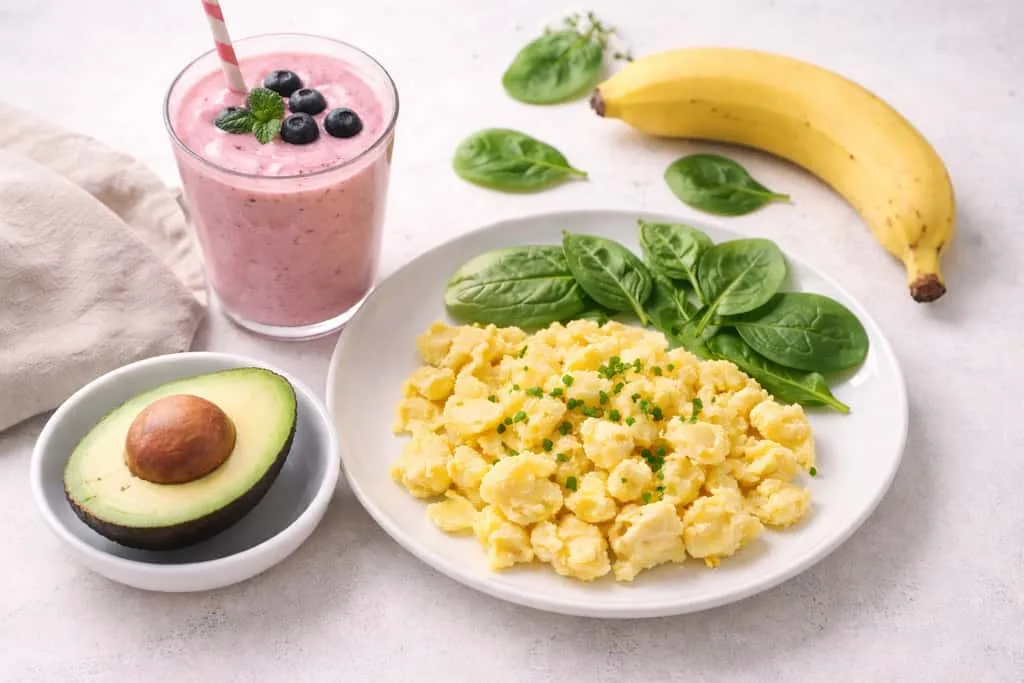
Your diet expands slightly from day one, but everything still needs to be soft and require minimal chewing. The table below shows what works and what to avoid during each phase of your first week:
| Foods to Eat | Foods to Avoid |
|---|---|
| Days 1-3 – First 72 Hours | |
| Greek yogurt, applesauce, pudding, protein shakes, broths, mashed potatoes (lukewarm) | Anything hot, crunchy, or chewy – chips, crackers, raw vegetables, hard fruits, pizza, bread with crust |
| Days 4-7 – Mid-Week | |
| Scrambled eggs (very soft), oatmeal, cream soups (cooled), cottage cheese, refried beans, tuna salad (mashed smooth), mashed sweet potatoes | Anything requiring chewing pressure, temperature extremes, spicy foods, alcohol, tobacco products |
| Throughout the Week – Protein Priority | |
| Aim for 60-80g protein daily – bone broth, hummus, protein shakes, soft cheese all count | Straws on the surgical side, forceful spitting, swishing vigorously – all create pressure that can dislodge the graft |
Protein drives tissue healing – inadequate protein slows recovery and can compromise graft integration. If you’re struggling to eat solid foods, lean heavily on protein shakes and Greek yogurt to meet this requirement.
Starting day two, begin using the antimicrobial rinse prescribed after surgery. Take a small amount of rinse, tilt your head to let it flow across the surgical areas gently, then let it fall out of your mouth rather than spitting forcefully. Do this three to four times daily, especially after eating. Forceful swishing or spitting can dislodge the graft.
Oral hygiene requires modification during this week. Brush your teeth normally everywhere except the surgical sites. Use an ultra-soft toothbrush and avoid the grafted area and the palate donor site completely. These areas get cleaned only with the gentle antimicrobial rinse – no brushing, no flossing, no water picking.
The tissue appearance changes throughout this week. You might see white or yellowish material on the graft – that’s fibrin, a normal part of healing that indicates proper tissue repair. The graft might look larger or puffier than you expected – swelling is normal and will decrease over the next few weeks.
Pain should decrease progressively throughout this week. If you’re still needing prescription pain medication beyond day four or five, or if pain intensifies instead of improving, contact the office for evaluation.
Week Two of Gum Graft Recovery: The Transition Phase
By week two, gum graft recovery shifts from protection to gradual reintroduction of normal oral hygiene. The graft has established blood supply and is stable enough to handle gentle contact. Your restrictions ease considerably, though complete normal function still waits a few more weeks.
Suture removal typically happens between day 10 and 14. The appointment takes just a few minutes. I’ll examine the graft, check healing progress, and remove the stitches. Some patients worry this will hurt – it doesn’t. You might feel slight tugging or pressure, but the tissue is healed enough that suture removal causes minimal discomfort.
After sutures come out, you can begin gently brushing the grafted area. Use an ultra-soft toothbrush and extremely light pressure. The goal is removing plaque buildup without traumatizing the healing tissue. Brush in small circular motions, spending just a few seconds on the grafted area before moving on. Don’t scrub aggressively – that comes later after full healing.
The tissue appearance continues evolving. The white or yellowish appearance from week one starts fading as the tissue develops better blood supply. You might notice the graft looks paler than surrounding gums – color matching improves over the next several weeks as circulation fully establishes.
Sensitivity typically improves noticeably during week two. The exposed roots that caused sharp pain before surgery now have tissue coverage, and that coverage is maturing enough to provide protection. Cold sensitivity might still trigger occasional discomfort, but it’s less intense and less frequent than before treatment.
Food restrictions ease significantly. You can add foods requiring light chewing – soft bread, cooked vegetables, tender meat cut into small pieces, pasta cooked normally instead of overcooked. Still avoid hard, crunchy, or chewy foods that require aggressive jaw movement or create sharp edges that could poke the healing tissue.
Physical activity restrictions start lifting. Light exercise like walking is fine throughout recovery. More intense activity – running, weightlifting, contact sports – can resume during week two, but ease back into your routine rather than jumping immediately to pre-surgery intensity levels.
Most patients feel significantly better by the end of week two. The palate donor site is healed. The graft is stable. Pain is minimal or gone completely. You’re managing nearly normal eating and oral hygiene. The remaining recovery is about tissue maturation rather than active healing.
Weeks 3-6 of Gum Graft Recovery: Returning to Normal Function
Active healing is complete. From week three onward, gum graft recovery focuses on tissue maturation rather than active wound healing – the graft thickening, color normalizing, and final integration happening beneath the surface.
Resume normal diet completely. Return to regular oral hygiene without modification – brush with normal pressure, floss carefully around the graft site. Exercise and physical activity return to normal intensity without restriction.
The tissue continues maturing. Color shifts toward your natural gum tone over the next several months. Sensitivity should be minimal or absent by week four. Final appearance becomes clear around three months, though subtle improvements continue through six months.
This stage is also when patients with underlying periodontal disease treatment histories see the value of the graft most clearly – the recession stops, the roots stay covered, and the long-term stability of the tooth improves. If you’ve completed scaling and root planing before grafting, this maturation phase is where that foundation pays off. For patients who received laser periodontal therapy alongside or prior to grafting, tissue integration at this stage is often smoother due to the reduced bacterial load going into surgery.
Recovery Road Map
Gum Graft Before and After: What Healing Looks Like at Each Stage
One of the most common questions I get from patients is: “Is what I’m looking at normal?” The answer is almost always yes – but understanding what gum graft before and after healing actually looks like removes a significant source of post-surgical anxiety.
The visual changes you’ll notice follow a predictable pattern tied directly to the healing biology. Here’s what you’re actually seeing at each stage – and what it means for your recovery:
| What You See | What It Means |
|---|---|
| Days 1 to 3 | |
| White or pale appearance on the graft site | Limited blood supply is normal immediately post-surgery. The graft tissue is living but not yet vascularized from the recipient site. This white phase is not a sign of failure. |
| Days 3 to 10 | |
| Red or dark pink coloration | Blood vessels from surrounding tissue are beginning to grow into the graft. This reddening is the tissue “coming alive” – a positive sign that integration is underway. |
| Yellowish or stringy material on the surface | This is fibrin – part of the normal healing cascade. It is not pus, not infection, and not cause for alarm. Fibrin is the scaffold the body uses to rebuild tissue architecture. |
| Weeks 1 to 4 | |
| Swelling and slight bulging of the graft | The grafted tissue is thicker than native tissue by design. Surgeons graft slightly more tissue than necessary to account for normal shrinkage. The bulk reduces over the following weeks. |
| Paler color than surrounding gums | Vascularization is still maturing. Color blending is a slow process that continues over months, not weeks. This is entirely normal at this stage. |
| Months 3 to 6 | |
| Final color match and contour | A well-executed graft becomes difficult to distinguish from surrounding tissue. The most visible before-and-after difference is root coverage – teeth that looked elongated now show a natural, full gum line. |
The most important before-and-after comparison isn’t the tissue color – it’s the root coverage. Before grafting, exposed roots create sensitivity, vulnerability to decay, and the appearance of longer teeth. After a successful graft, those roots are protected. That functional shift is the outcome that matters most for long-term oral health.
Warning Signs During Gum Graft Recovery That Need Immediate Attention
Most gum graft surgery recovery proceeds without complications. But understanding the difference between normal healing and actual problems helps you respond appropriately when concerns arise.
- Graft failure indicators – tissue turning white or gray instead of pink after the first 72 hours, graft appearing loose or separated from underlying tissue, or significant recession within days of surgery. These require immediate evaluation – call the office rather than waiting for a scheduled appointment.
- Infection symptoms – increasing pain after day three, pus or discharge (distinct from the normal yellowish fibrin of healing), foul odor, fever above 100.4°F persisting beyond day one, or red streaking from surgical areas. Infections need antibiotic treatment and worsen without it.
- Excessive bleeding beyond normal oozing – bleeding that fills your mouth, continues despite 20 minutes of sustained pressure, or starts suddenly after day one requires immediate contact. Don’t wait and hope it resolves.
- Pain that worsens instead of improving – normal recovery involves progressively decreasing discomfort. Intensifying pain after day three is the signal that something needs evaluation, even if you’re not sure what. Trust that signal.
One question I hear often is: “Is my graft failing or is this normal sloughing?” The distinction matters. Normal tissue sloughing during healing involves superficial white or yellowish material on the graft surface – it has no odor, causes no acute pain surge, and the underlying tissue beneath it looks pink and viable. Graft failure looks different: the tissue turns gray or black, lifts away from underlying tissue, has a distinct odor, and pain typically increases rather than plateaus.
When in doubt, contact the office. We’d rather evaluate something minor that turns out to be normal healing than have you wait with a real problem that needs intervention.
Common Gum Graft Recovery Mistakes That Compromise Results
Most graft failures happen because of patient actions during recovery, not surgical technique problems. Understanding these common mistakes helps you avoid them.
- Brushing too soon disrupts the graft before blood supply establishes. Wait until after suture removal and surgeon approval – no exceptions, regardless of how good the area looks or feels.
- Using straws or spitting forcefully during the first week creates negative pressure in the mouth that can physically dislodge the graft from its position. Avoid straws completely for at least 7 to 10 days. When rinsing, let the liquid fall out of your mouth passively.
- Smoking during healing constricts blood vessels and cuts off blood supply to healing tissue. Graft failure rates increase dramatically with any nicotine use – cigarettes, patches, gum, and e-cigarettes all constrict the vessels the graft depends on. Stop completely for at least two weeks post-surgery.
- Inadequate protein intake slows healing and weakens graft integration. Your body needs amino acids to build new tissue. Prioritize protein even when eating is uncomfortable – aim for 60 to 80 grams daily across soft, tolerable food sources.
- Skipping follow-up appointments means problems go undetected until they’ve progressed further than necessary. The one-week check and suture removal appointment aren’t optional – they let me identify early complications and adjust your care protocol before issues compound.
- Not following rinse protocol allows bacteria to accumulate and increases infection risk. The antimicrobial rinse is your primary cleaning method during week one when you can’t brush grafted areas. Skipping it creates the bacterial environment most likely to compromise graft integration.
Setting Yourself Up for Successful Gum Graft Recovery Before Surgery
Successful gum graft recovery depends on preparation, patience, and following clinical guidelines during each healing phase. Preparing your home, stocking the right foods, and organizing your schedule makes the first critical days significantly easier.
Pre-stock recovery foods before surgery day. Shop for protein shakes, Greek yogurt, applesauce, mashed potato supplies, broths, and soft proteins like ground meat and fish. Having these ready eliminates the stress of grocery shopping when you’re uncomfortable. Prepare and freeze several portions of soup or mashed potatoes so you just need to reheat them.
Pick up prescriptions the day before surgery. Don’t wait until after the procedure when you’re uncomfortable and just want to get home. Having pain medication and antimicrobial rinse ready means you can take your first dose on schedule without delays.
Prepare ice packs in advance. Fill several zip-top bags with ice or use gel ice packs stored in your freezer. You’ll need multiple packs since you’re cycling 20 minutes on, 20 minutes off during the first six hours. Having enough packs ready means you always have a cold one available.
Set up a comfortable recovery space with extra pillows for elevated sleeping, entertainment options within reach, and a side table for medications and water. You’ll spend significant time resting during the first two days – make that space comfortable and convenient.
Arrange help if you need it. Some patients manage recovery independently without issues. Others benefit from having someone available during the first 24 hours to help with meals, medication management, or just provide company. Assess your situation honestly and arrange support if needed.
At Optima Dental Surgery Center, we provide detailed pre-surgery instructions and remain available throughout your recovery for questions or concerns. If you’re considering gum grafting to address recession, sensitivity, or aesthetic concerns, schedule a free consultation. We’ll evaluate your specific situation, explain the procedure and recovery in detail, and give you realistic expectations for outcomes and healing.
Questions About Gum Graft Recovery? Let’s Talk.
If you want predictable results and a smoother recovery, working with a specialist team that prioritizes preparation, clear guidance, and follow-up care makes the difference. Schedule a free consultation at Optima Dental Surgery Center.
Gum Graft Recovery: Frequently Asked Questions
How long does gum graft recovery take?
Gum graft recovery happens in distinct phases. The first two weeks cover active healing – the graft establishes blood supply, sutures come out, and the palate donor site closes. Weeks three through six bring a return to normal function. Full tissue maturation and color blending continue for three to six months, though most patients feel completely back to normal long before that.
What does gum graft healing look like day by day – is the white tissue normal?
Yes – white or pale tissue on the graft site during the first one to three days is a normal part of healing. It reflects limited blood supply in the immediate post-surgical period, not failure. From days three to ten, the tissue typically transitions to red or dark pink as blood vessels grow into the graft from surrounding tissue. Yellowish or stringy material on the surface is fibrin – the body’s natural healing scaffold – not infection. By weeks two to four, the graft begins to match the color of adjacent gum tissue. True graft failure looks different: gray or black tissue, detachment from underlying tissue, and worsening pain after day three.
What does a gum graft look like before and after the procedure?
Before grafting, recession creates teeth that look longer than normal, an uneven gum line, exposed root surfaces, and often persistent cold sensitivity. After a successful graft, those exposed roots are covered with tissue that – over three to six months – blends with surrounding gum color and contour. The most visible change is the restoration of a natural gum line, which both protects the root and improves the overall appearance of the affected teeth. Connective tissue grafts produce the most natural-looking color match; free gingival grafts provide maximum tissue thickness and may retain a slightly different appearance long-term.
What foods can I eat after gum graft surgery?
During the first three days, stick to soft, cool foods with zero chewing required – Greek yogurt, applesauce, protein shakes, mashed potatoes (lukewarm), and broth. From days four through seven, you can add scrambled eggs, oatmeal, cream soups, cottage cheese, and mashed smooth proteins. Week two allows foods requiring light chewing – soft bread, cooked vegetables, tender meat. Full diet resumes around week three. Prioritize protein throughout recovery – aim for 60 to 80 grams daily. Avoid hot foods, anything crunchy or chewy, and alcohol for the first two weeks.
How long do I need to wear the palate stent after gum graft surgery?
If you received a protective stent – a plastic guard covering the palate donor site – wear it continuously except when eating and cleaning it. Most patients wear the stent until their first follow-up appointment, typically seven to ten days post-surgery. At that appointment, your surgeon will confirm whether healing is adequate to discontinue the stent. The stent dramatically reduces palate donor site discomfort and protects healing tissue from food and tongue contact, so wearing it as directed is worth the temporary speech adjustment it requires.
Can I use a straw or drink coffee after gum graft surgery?
Straws should be completely avoided for at least seven to ten days after gum graft surgery. The suction created when using a straw can dislodge the graft from its position on the recipient tissue, and this risk is highest during the first week when the graft is still establishing blood supply. Coffee should be avoided for the first 48 hours and consumed carefully during the first week – hot liquids increase blood flow and can cause swelling or bleeding. Once your surgeon confirms adequate healing at your follow-up appointment, straws and normal beverage temperatures can gradually return.
When can I return to exercise after gum graft surgery?
Light activity like walking is generally fine 24 to 48 hours after your procedure, provided it doesn’t cause discomfort or increased bleeding. Moderate exercise should wait three to five days. Strenuous activity – heavy lifting, high-intensity workouts, contact sports – should be avoided for seven to fourteen days after surgery. Elevated heart rate increases blood pressure and blood flow throughout the body, which can cause bleeding or swelling at the surgical sites and disrupt graft integration. Ease back gradually rather than returning to pre-surgery intensity immediately.
What signs indicate a problem during gum graft recovery?
Contact the office promptly if you notice any of these: pain that increases after day three instead of gradually decreasing; tissue turning gray or black rather than progressing toward pink; pus or discharge with odor (distinct from normal yellowish fibrin); fever above 100.4°F persisting beyond the first day; bleeding that won’t stop after 20 minutes of sustained pressure; or the graft appearing loose or visibly separated from surrounding tissue. Normal healing involves progressive improvement. Anything that moves in the opposite direction – worsening pain, spreading redness, increasing swelling after the first few days – warrants a call rather than waiting.