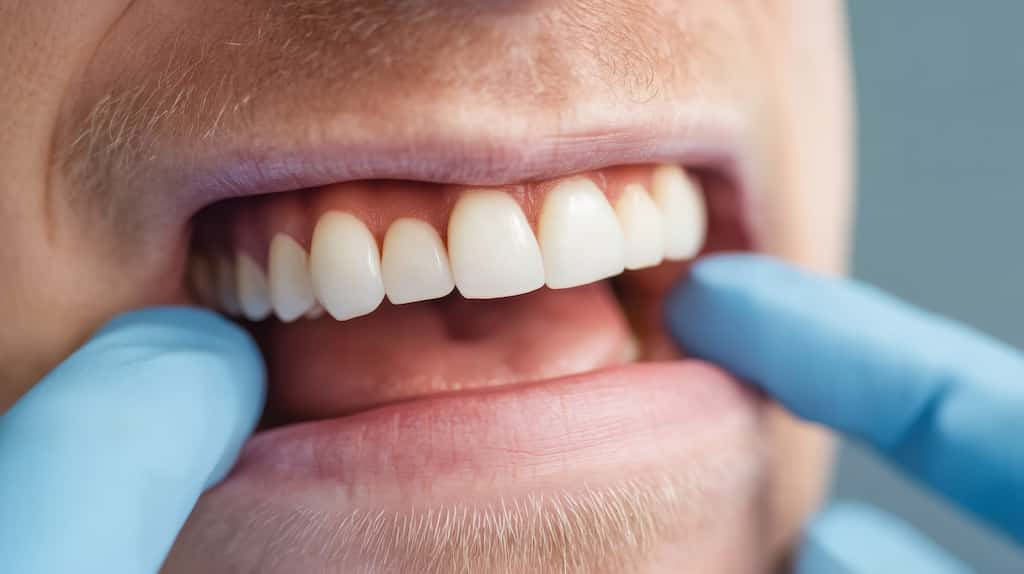
Your dentist just told you that tooth needs to come out. Or maybe you’ve been living with gaps in your smile for months – even years – putting off the decision because the options feel overwhelming. I’ve seen countless patients sit in our consultation room, frustrated and confused, holding brochures from three different practices with wildly different recommendations and price points.
I know this because choosing a tooth replacement option creates more decision paralysis than almost any other dental treatment. Choosing a tooth replacement option can feel overwhelming when recommendations, timelines, and costs vary so widely between providers. You’re comparing solutions that range from a few hundred dollars to twenty thousand, from removable appliances to permanent surgical procedures, from same-day fixes to year-long treatment plans. And everyone seems to have an opinion about what you “should” do.
Here’s what actually matters when you’re evaluating tooth replacement options – a clear framework that cuts through the marketing and helps you make the right choice for your mouth, your budget, and your life. We’ll compare every major option using three factors that determine long-term satisfaction: cost, comfort, and longevity. Every tooth replacement option can be evaluated more clearly when you focus on long-term cost, comfort, and durability instead of marketing claims.
Why Your Tooth Replacement Choice Matters More Than You Think
Most patients approach tooth replacement like they’re buying a car – they want something that works, fits their budget, and doesn’t cause problems. That makes sense. But here’s what changes the equation: The tooth replacement option you choose affects how you eat, speak, and maintain oral health for the next decade or more.
I’ve watched patients choose the cheapest option, thinking they’re being financially smart, only to spend three times more over the next five years on adjustments, repairs, and eventual replacement. I’ve also seen people jump straight to the most expensive solution when a simpler approach would have worked perfectly for their situation.
The real cost isn’t just the initial price tag. It’s the combination of upfront expense, ongoing maintenance, replacement frequency, and impact on your daily life. A $500 partial denture that needs replacing every three years and makes eating difficult costs you more – in money and quality of life – than a $4,000 bridge that lasts fifteen years and feels natural.
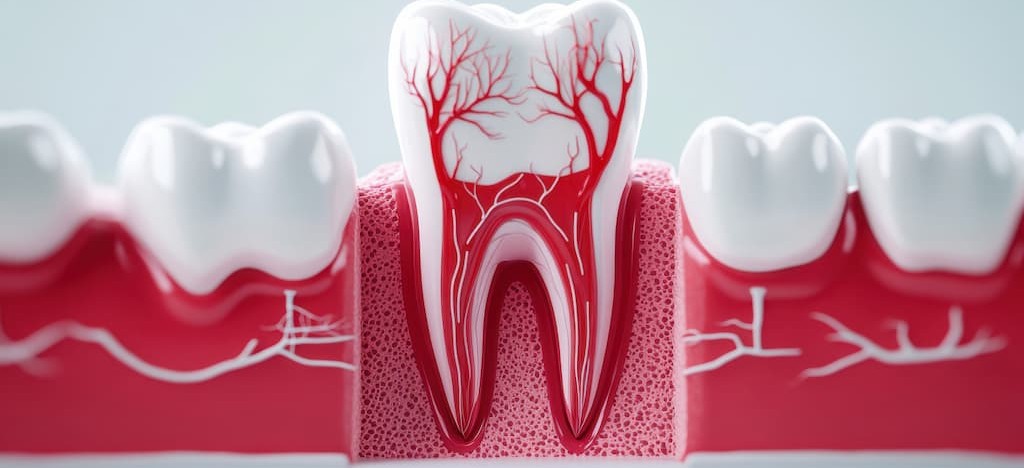
Your jaw bone changes when you lose teeth. It starts resorbing – essentially shrinking – within months of tooth loss. Some replacement options slow this process. Others accelerate it. That affects your facial structure, the fit of future replacements, and your long-term treatment options. Not every tooth replacement option addresses bone loss, which can limit future treatment choices if not considered early.
So when we talk about tooth replacement options, we’re not just comparing products. We’re evaluating solutions that will become part of your body, affect your health, and influence your confidence every single day. That deserves a clear, honest comparison.
Below, each tooth replacement option is explained using the same cost, comfort, and longevity framework.
The Five Major Tooth Replacement Options Explained
Let’s break down each option using our cost-comfort-longevity framework. You’ll notice I’m not ranking these from “worst” to “best” because the right choice depends entirely on your specific situation – how many teeth you’re replacing, your jaw bone condition, your budget, and your lifestyle needs.
Removable Partial Dentures

Think of these as the entry-level solution. Partial dentures use metal clasps or precision attachments to hook onto your existing teeth, holding replacement teeth in position. You take them out at night, clean them, and put them back in the morning.
Cost Analysis: Partials typically run $300 to $5,000 depending on materials and complexity. The lower end gives you basic acrylic and metal. The higher end includes flexible materials, precision attachments, and better aesthetics. Most patients pay $1,000 to $2,500 for a functional partial denture.
Comfort Reality: This varies widely. Some people adapt within weeks and forget they’re wearing a partial. Others never fully adjust to the sensation of removable teeth. The appliance puts pressure on your gums when you chew, which feels different from natural teeth. Metal clasps can be visible when you smile, depending on design and placement.
Longevity Expectations: A well-made partial can last five to eight years with proper care. But your mouth changes over time, especially the bone under the partial. You’ll likely need relines every two to three years to maintain proper fit. Eventually, you’ll need a new partial as your jaw structure changes.
Key Advantages:
- Lowest initial cost makes treatment accessible for most budgets
- Non-surgical option appeals to patients avoiding procedures
- Reversible choice allows you to upgrade later without affecting remaining teeth
- Quick fabrication means you get your teeth back in weeks, not months
Important Limitations:
- Doesn’t stop bone loss – your jaw continues shrinking under the denture base
- Requires regular removal for cleaning and overnight storage
- Can affect speech initially as you adapt to the appliance
- Puts stress on anchor teeth which can lead to problems over time
Fixed Dental Bridges

A bridge literally bridges the gap left by missing teeth. Your dentist prepares the teeth on either side of the gap, takes impressions, and a lab creates a connected unit – crowns on the anchor teeth with replacement teeth suspended between them. The entire bridge gets cemented permanently in place.
Cost Analysis: Traditional bridges cost $2,000 to $5,000 per unit, depending on the number of teeth involved and materials used. A three-unit bridge replacing one tooth runs $3,500 to $5,000 in most markets. All-ceramic bridges cost more than porcelain-fused-to-metal versions.
Comfort Reality: Once you adjust to the bridge – usually within a week or two – it feels remarkably close to natural teeth. You can’t remove it, so there’s no daily insertion and removal routine. You brush and floss normally, though you’ll need special floss threaders to clean under the replacement tooth.
Longevity Expectations: A quality bridge typically lasts ten to fifteen years with good oral hygiene. Some last twenty years or longer. Failure usually happens at the anchor teeth – either decay develops under a crown, or one of the supporting teeth experiences structural problems from the additional load.
Key Advantages:
- Permanent restoration means no removal or daily maintenance beyond normal brushing
- Feels natural for chewing and speaking after brief adjustment period
- Proven track record with decades of clinical success data
- Faster than implants – completed in two to three weeks typically
Important Limitations:
- Requires altering healthy teeth – anchor teeth get permanently reshaped
- Still allows bone loss under the replacement tooth area
- Creates cleaning challenges that increase cavity and gum disease risk
- Puts extra force on anchor teeth which can shorten their lifespan
Single Tooth Implants

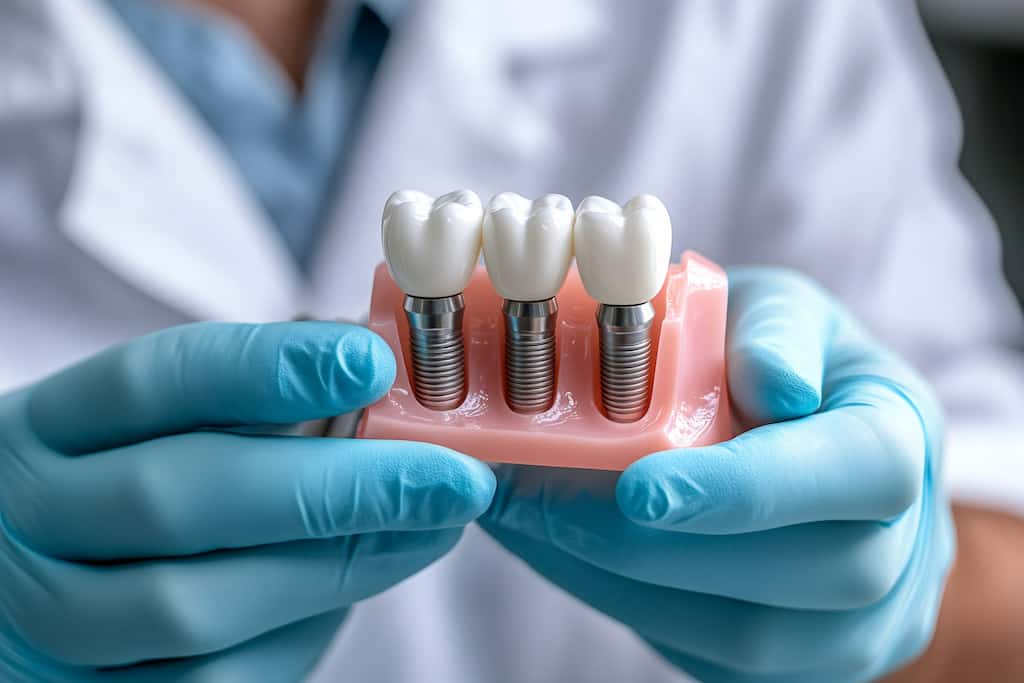
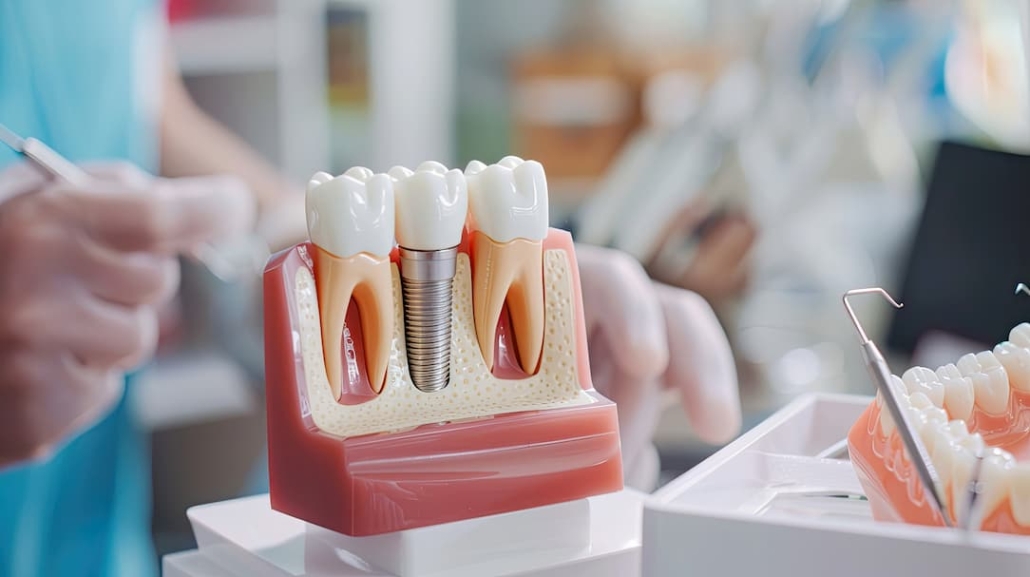
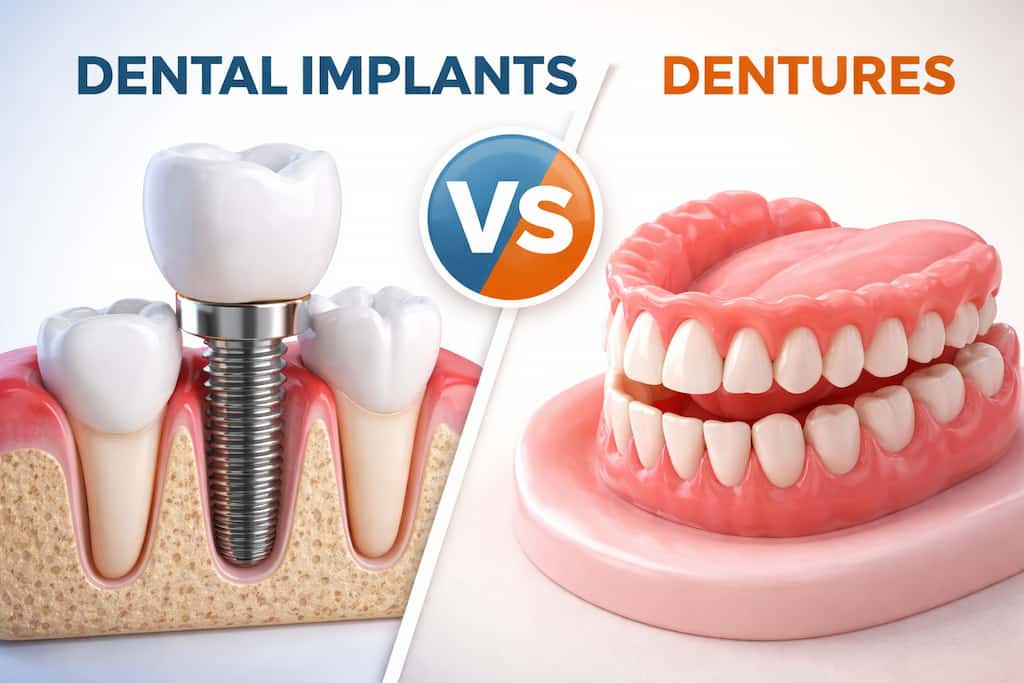
Dental implants replace both the root and crown of a missing tooth. A titanium post gets surgically placed into your jaw bone, integrates over several months, then receives a custom crown. The result functions like a natural tooth – independent, permanent, and rooted in bone.
Cost Analysis: Single implants run $3,000 to $6,000 from start to finish, including the surgical placement, abutment, and final crown. Geographic location affects pricing significantly – urban centers typically charge more than rural areas. Material choices (titanium versus zirconia, custom versus stock abutments) also impact total cost.
Comfort Reality: After the surgical healing period, implants feel virtually identical to natural teeth. There’s no movement, no daily removal, no special cleaning requirements beyond normal brushing and flossing. The surgery itself involves local anesthesia, and most patients report moderate discomfort for a few days afterward – manageable with over-the-counter pain medication.
Longevity Expectations: Implants can last 25 years or longer with proper care. Some last a lifetime. The titanium post rarely fails once it’s integrated. The crown on top typically needs replacement every 10 to 15 years due to normal wear, but the implant itself remains stable. Success rates exceed 95% when placed in healthy bone.
Key Advantages:
- Preserves jaw bone through mechanical stimulation that mimics natural tooth roots
- Doesn’t affect adjacent teeth – completely independent restoration
- Longest-lasting option available for single tooth replacement
- Best mimics natural function for biting force and sensation
- Lower lifetime cost despite higher upfront investment
Important Limitations:
- Requires surgical procedure with healing time of three to six months typically
- Needs adequate bone volume – may require grafting if insufficient
- Highest initial investment creates barrier for some patients
- Extended treatment timeline from start to final crown placement
- Small failure risk if integration doesn’t occur properly
Implant-Supported Bridges

When you’re missing multiple adjacent teeth, implant-supported bridges offer a middle ground. Instead of using natural teeth as anchors, implants serve as the foundation – typically one implant for every one or two missing teeth. The bridge connects to these implant posts rather than prepared natural teeth.
Cost Analysis: These solutions run $6,000 to $15,000 depending on how many implants and teeth are involved. Replacing three teeth might use two implants with a three-unit bridge, costing $8,000 to $12,000. The per-tooth cost decreases as you replace more teeth – economies of scale work in your favor with larger restorations.
Comfort Reality: The experience closely mirrors single implants – after healing, the restoration feels natural and stable. No movement, no removal, normal function. The surgical phase involves placing multiple implants, which extends the procedure time and initial recovery period compared to single implant placement.
Longevity Expectations: Similar to single implants, the posts typically last decades. The prosthetic bridge itself needs monitoring and possible replacement every 10 to 15 years. This approach reduces stress on each individual implant compared to replacing every tooth with its own post, which may contribute to longer-term stability.
Key Advantages:
- More economical than individual implants for multiple missing teeth
- Maintains bone preservation benefits of implant therapy
- Doesn’t sacrifice healthy teeth unlike traditional bridges
- Strong and stable for normal eating and speaking
- Easier to clean than connecting multiple single crowns
Important Limitations:
- Requires multiple surgical sites – more complex than single implant
- Still represents significant investment though less than all individual implants
- Longer treatment time due to multiple healing phases
- If one implant fails it can compromise the entire bridge
Full Arch Implant Solutions

For patients missing all or most teeth in an arch, full-arch implant systems offer complete restoration. Four to six implants support a fixed bridge that replaces an entire upper or lower set of teeth. Some systems allow same-day teeth, while others require a healing period before final restoration.
Cost Analysis: Full-arch solutions range from $15,000 to $30,000 per arch. Variables include the number of implants used, whether bone grafting is needed, the type of prosthetic materials selected, and whether you receive immediate temporary teeth or wait for healing before final restoration. Treatment typically costs $20,000 to $25,000 per arch for most patients.
Comfort Reality: Once healed, these restorations function like natural teeth – you can eat normally, speak clearly, and forget you’re wearing a prosthetic. The fixed design means no removal for cleaning, though you’ll need to clean under the prosthetic with special tools. Some systems create more gum display than others, affecting aesthetics.
Longevity Expectations: The implant posts can last a lifetime with proper care. The prosthetic teeth typically need replacement or significant maintenance every 10 to 15 years. This involves removing the bridge, evaluating the implants, and fabricating a new prosthetic – often at substantial cost.
Key Advantages:
- Most similar to natural teeth for function and stability
- Preserves facial structure by maintaining bone volume
- Fixed solution eliminates removable denture frustrations
- Improved chewing efficiency compared to traditional dentures
- Can often use fewer implants than replacing each tooth individually
Important Limitations:
- Highest cost option for full-arch replacement
- Requires sufficient bone or extensive grafting procedures
- Complex maintenance – professional removal and cleaning needed periodically
- Prosthetic replacement costs add up over decades
- Surgical risks increase with multiple implant placements
Selecting the right tooth replacement option requires aligning clinical realities with lifestyle and financial priorities.
How to Choose the Right Option for Your Situation
Now comes the hard part – taking all this information and making an actual decision. I can’t tell you which option is right for you without examining your specific situation, but I can give you a framework that helps narrow your choices.
Start with your budget reality, not your budget wish. What can you actually afford right now, and what financing options might expand that range? A $5,000 solution you can pay for is better than a $20,000 treatment plan that forces you to delay care for two more years while your situation worsens.
Consider your bone condition. If you’ve been missing teeth for several years, you’ve likely experienced significant bone loss. Some options work regardless of bone volume. Others require grafting procedures that add time and cost. A CT scan evaluation reveals your actual bone situation and eliminates options that won’t work in your case.
Think about your replacement timeline. Some situations demand fast solutions – you’re getting married in three months, or you have professional obligations that require complete teeth. Other scenarios allow longer treatment approaches that may provide better long-term outcomes.
Evaluate your oral hygiene habits honestly. Implants and bridges demand excellent daily care. If you struggle with consistent brushing and flossing, choose solutions that account for that reality rather than options that will fail due to hygiene issues.
Factor in your overall health. Certain medical conditions affect healing and implant success rates. Uncontrolled diabetes, smoking, some medications – these influence which options make sense for your situation. Your dental surgeon needs complete medical information to recommend appropriately.
Here’s a decision framework many patients find helpful. This framework helps match each tooth replacement option to common real-world scenarios:
- One missing tooth with healthy neighbors – implant offers best long-term value despite higher upfront cost
- Multiple teeth in one area with good bone – implant-supported bridge balances cost and longevity effectively
- Several scattered missing teeth – removable partial provides most economical solution initially
- Most or all teeth failing – full-arch implant solution if budget allows, otherwise quality dentures
- Limited budget with single tooth – bridge preserves function while avoiding surgery
What to Expect From Your Tooth Replacement Journey

Understanding the timeline helps you plan appropriately and maintain realistic expectations. Tooth replacement isn’t usually a quick process, though some options certainly move faster than others. The treatment timeline varies significantly depending on the tooth replacement option you pursue.
Removable partials typically take two to three weeks from initial impressions to final delivery. You’ll have at least two appointments – one for impressions and bite records, another for try-in and adjustments. Some practices need a third visit for final fitting and delivery. You walk out with your teeth that day, though expect an adjustment period of several weeks as you adapt.
Traditional bridges require similar timeframes – two to three weeks typically. The first appointment involves preparing anchor teeth and taking impressions. You receive temporary crowns while the lab fabricates your permanent bridge. The second visit includes removing temporaries, fitting the permanent bridge, making adjustments, and cementing it in place.
Single implants stretch over three to six months for conventional healing protocols. The surgical placement takes an hour or so. Then you wait while the implant integrates with bone – typically three months for lower jaw, four to six months for upper jaw. After integration, you return for abutment placement and final crown impressions. Add another two weeks for crown fabrication and delivery.
Full-arch implant solutions vary dramatically based on protocol. Some practices offer same-day teeth – implants placed in the morning, temporary prosthetic delivered that afternoon. Others prefer a healing period before loading implants with a prosthetic. Either way, you’re looking at several months before final teeth delivery, with multiple appointments for adjustments and evaluations.
Recovery experiences differ by option. Removable partials and bridges involve minimal discomfort – some soreness from prepared teeth, adjustment to new sensations, but nothing requiring prescription pain medication typically. Implant surgery creates more significant discomfort for a few days, manageable with over-the-counter medications for most patients. Swelling peaks around day two or three, then gradually improves.
Maintenance requirements increase with solution complexity. Dentures need daily cleaning outside your mouth plus periodic professional adjustments. Bridges require normal brushing plus special flossing techniques to clean under the pontic. Implants need regular brushing and flossing just like natural teeth, plus professional monitoring to check integration and tissue health.
Long-term care costs vary significantly. Removable appliances need relines every few years and eventual replacement. Bridges may require repair or replacement of individual components. Implants typically need minimal intervention once established, though the crown on top eventually needs replacement due to normal wear.
Making Your Decision With Confidence

You now have the framework for evaluating each tooth replacement option using the three factors that actually matter. Not marketing claims. Not what your neighbor’s cousin said worked great for them. The real considerations that affect your daily life and long-term satisfaction.
Every option we’ve discussed works for certain situations. Removable partials provide accessible entry-level replacement. Bridges offer proven permanent restoration. Implants deliver superior longevity. Full-arch solutions restore complete function. The “best” choice depends entirely on your specific circumstances – your mouth, your budget, your timeline, your priorities.
Here’s what I want you to remember as you move forward: don’t let perfect become the enemy of good. Some patients delay treatment for years trying to save for the “ideal” solution while their oral health deteriorates. A functional intermediate option now often serves you better than waiting indefinitely for a theoretical perfect solution.
Start with a proper evaluation. That means comprehensive examination, appropriate imaging, honest discussion of options that actually work for your situation. Consultations should explain not just what each option costs, but what you’re getting for that investment – expected longevity, maintenance requirements, potential complications.
Ask about financing if cost creates barriers. Many practices offer payment plans that make treatment accessible without requiring full payment upfront. Sometimes spreading a $4,000 implant over twelve months makes more sense than choosing a $1,500 bridge because you can pay cash today.
Get clear timeline expectations for each option you’re considering. When will treatment start? How long until final teeth delivery? What happens if complications arise? Understanding the realistic timeline prevents frustration and helps you plan around work, social obligations, and life events.
Request specific maintenance requirements for your chosen solution. What daily care does it need? How often should you return for professional monitoring? What signs indicate problems developing? Knowing these details upfront helps you maintain your investment and catch issues early.
The tooth replacement choice you make today affects your eating, speaking, smiling, and overall oral health for years to come. Take time to understand your options thoroughly. Choose based on your actual situation rather than generic recommendations. Work with a provider who explains clearly, answers questions completely, and respects your decision-making process.
Your teeth matter. Your comfort matters. Your budget matters. Find the solution that balances all three appropriately for your life. That’s the option that serves you well over the long term – not the cheapest, not the most expensive, but the right fit for your specific needs and circumstances.
If you’re ready to explore tooth replacement options with a team that prioritizes clear communication and honest recommendations, Optima Dental Surgery Center provides comprehensive evaluations and treatment planning throughout the Austin and central Texas area. We’ll walk you through each option that makes sense for your situation, explain exactly what to expect, and help you make the choice that works for your life.
Schedule a consultation to discuss your specific case and get the clarity you need to move forward with confidence.
Tooth Replacement Option FAQs: How to Choose the Right Solution
What is the best Tooth Replacement Option for a missing tooth?
The best Tooth Replacement Option depends on bone health, budget, and long-term goals. Dental implants offer the longest lifespan, while bridges and partial dentures may be appropriate in certain situations.
How do I compare each Tooth Replacement Option effectively?
Compare each Tooth Replacement Option using cost, comfort, and longevity. This approach highlights not just upfront pricing, but maintenance needs and long-term value.
Is one Tooth Replacement Option more natural-feeling than others?
Implant-based restorations tend to feel most like natural teeth because they are fixed and anchored in bone. Removable options may feel less stable but remain viable for many patients.
Does every Tooth Replacement Option prevent bone loss?
No. Only implant-based Tooth Replacement Option solutions stimulate the jaw bone and help prevent bone resorption. Bridges and dentures do not stop bone loss in the missing tooth area.
What is the most affordable Tooth Replacement Option?
Removable partial dentures are typically the lowest-cost Tooth Replacement Option upfront, though they may require more maintenance and replacement over time.
Can I change my Tooth Replacement Option later?
Yes. Many patients start with one Tooth Replacement Option and transition to another as finances, bone conditions, or priorities change.