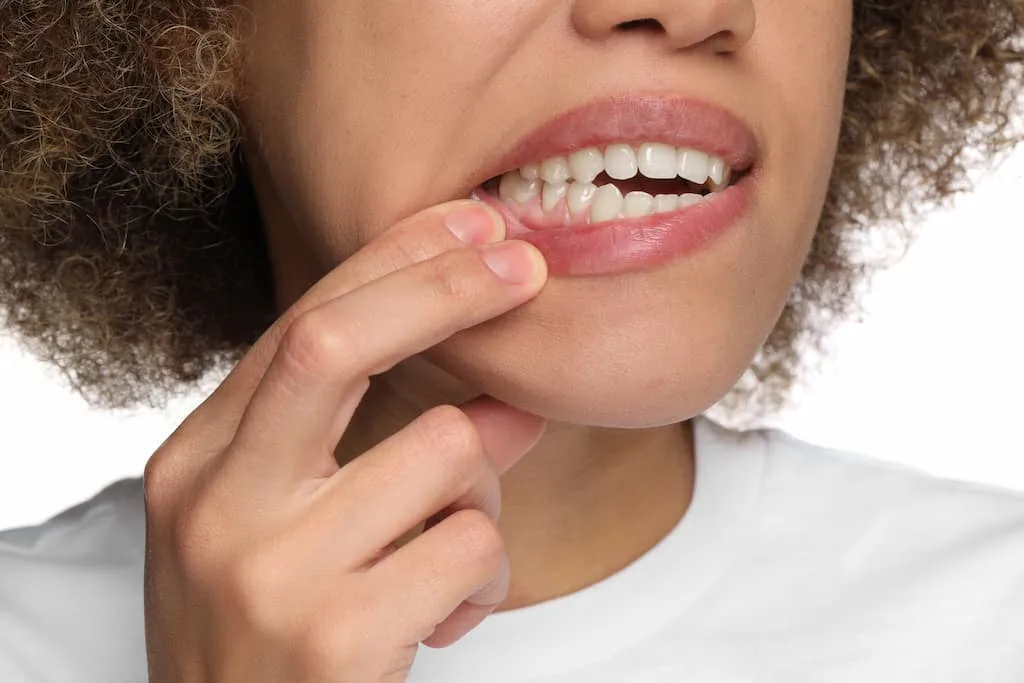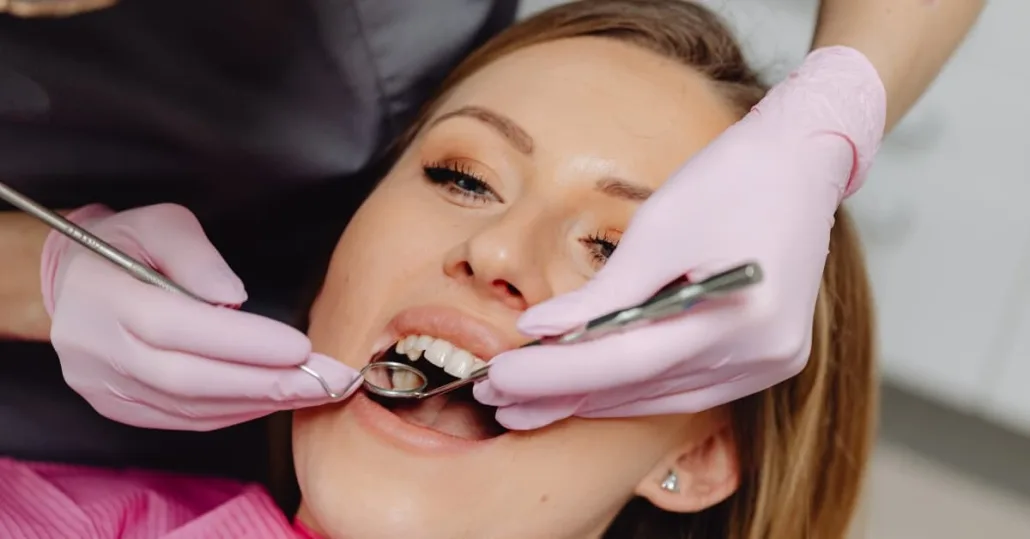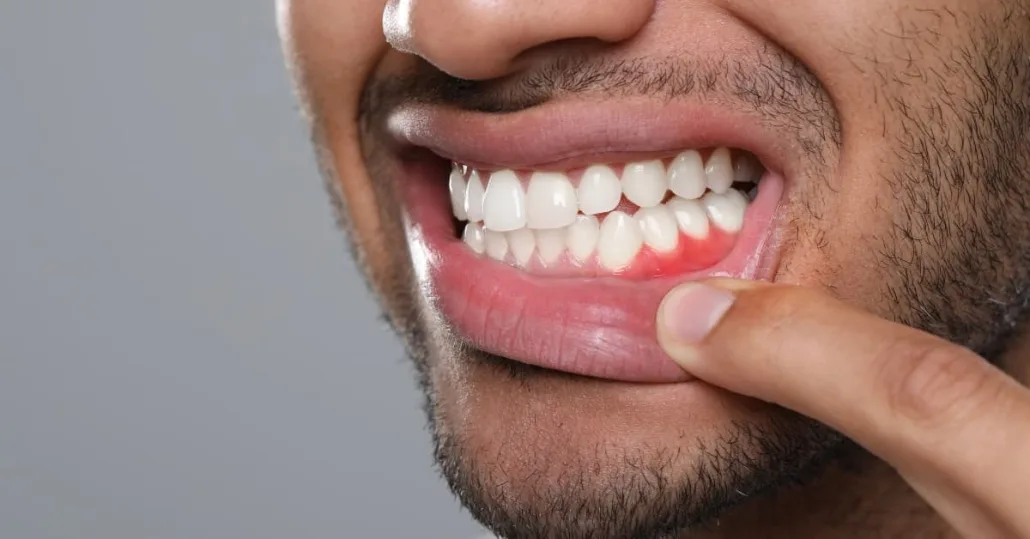
You’ve noticed your gums bleeding when you brush, or they look redder and puffier than usual. You’ve probably told yourself it’s nothing, brushing too hard, or just needing to floss more. But a small voice wonders if something’s wrong.
Recognizing the early signs of gum disease is often the difference between simple treatment and complex care. Patients tell our team every week they wish they’d come in sooner when they first noticed signs. They dismissed bleeding gums or slight swelling as minor, expecting it to resolve. By the time they scheduled an appointment, treatable early disease had progressed to something requiring more involved care.
Healthy gums don’t bleed from normal brushing. They don’t swell, change color, or pull away from your teeth. Any of these changes signals your body responding to a bacterial infection. The good news is that caught early, gum disease is reversible. This guide walks you through how to know if you have gum disease, from subtle early symptoms through urgent warning signs that need immediate attention.
Medically reviewed by Dr. Kris Owens, DDS · Updated 2026-05-21 · 8-minute read
Quick Answer · How do you know if you have gum disease?
You may have gum disease if your gums bleed when you brush or floss, look red or swollen, or pull away from your teeth. Other early signs include bad breath that returns soon after brushing, a bad taste that does not go away, new spaces between teeth, sensitivity at the gumline, or a bite that feels different. Bleeding gums are the most common first sign and the easiest one to catch.
The 7 Signs of Gum Disease to Watch For
Gum disease starts quietly. The early signs are easy to miss because they don’t usually hurt. Here are the seven signs our team watches for, in roughly the order they tend to appear.
- Bleeding when brushing or flossing. Pink in the sink, blood on the floss, or a tinge on the toothbrush head. Healthy gums don’t bleed from normal brushing. Bleeding is your earliest warning that bacteria have built up at the gumline.
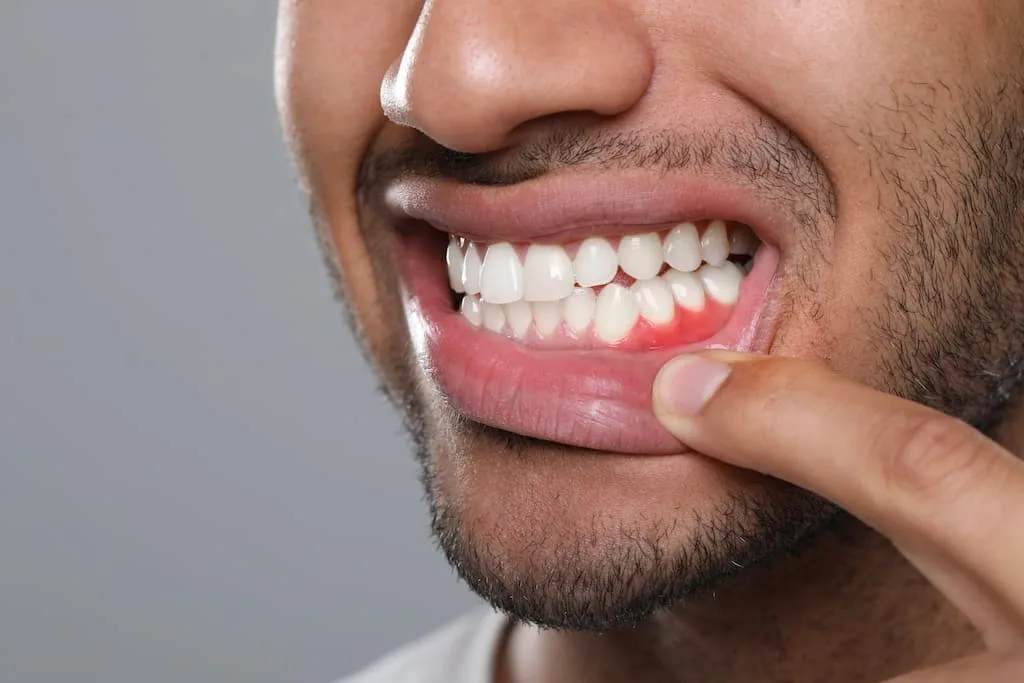
- Red, swollen, or tender gums. Healthy gums look pale pink and feel firm. Gums that look darker red, feel puffy, or hurt when touched are inflamed. Color and texture change before recession or pain.
- Bad breath or a bad taste that does not go away. Breath that returns within an hour of brushing, or a lingering bad taste in the mouth, often comes from bacteria living below the gumline where a toothbrush cannot reach.
- Receding gums or teeth that look longer. Your teeth appear longer because your gum line has pulled back from them. The dark triangles between teeth at the gum look bigger. Recession is a sign the gum attachment is breaking down, and once it happens it does not grow back on its own.
- New spaces between teeth. Food gets stuck in places it never did before. Front teeth shift or drift. New gaps open between teeth that used to touch. This happens when the supporting bone has started to lose volume.
- A bite that feels different. Teeth meet differently when you close your jaw. One side feels higher than the other. Chewing on a specific tooth feels off. Bite changes signal that teeth have moved within the bone.
- Loose teeth, pus between gums, or pain when chewing. Teeth that feel loose, visible pus or discharge along the gumline, or pain when biting down all point to advanced disease. These are urgent signs that need same-week attention.
The first four signs usually point to early or moderate gum disease that responds well to treatment. Signs five through seven point to disease that has advanced into bone and needs prompt professional care.
Early Signs of Gum Disease Most People Dismiss
Most patients we see have experienced early warning signs for months before scheduling an appointment. They seemed like small things, easy to brush off. But each one signals that bacteria are accumulating below the gumline and inflammation is starting.
- Bleeding when you brush or floss. You notice pink in the sink or blood on the floss. You’ve probably told yourself you’re brushing too hard or need to floss more gently. Healthy gums don’t bleed from normal brushing; the bleeding is your gums reacting to bacterial buildup.
- Gums that look redder than usual. Your gums used to be pale pink. Now they look darker pink or red right where they meet your teeth. Color change indicates inflammation. Tissue is swollen and engorged with blood as the immune system responds.
- Puffy or swollen gum tissue. Gums look slightly swollen or feel puffy, maybe tender when you touch them. Healthy gums have a firm, thin appearance with crisp edges. Puffiness is fluid accumulating as inflammation builds.
- Bad breath that doesn’t go away. You brush, floss, and use mouthwash, yet still notice bad breath within an hour or two. Bad breath that keeps returning often comes from bacteria living below the gumline in periodontal pockets, areas a toothbrush cannot reach.
- Gum tissue that feels different. Texture has changed. Gums feel softer or more tender than before. The toothbrush creates slight discomfort now when it didn’t before. Tenderness indicates inflammation beginning in gum tissue.
At this stage, the diagnosis is usually gingivitis, the earliest and reversible form of gum disease. A professional cleaning combined with daily brushing and flossing can restore gums to health. Don’t wait for symptoms to worsen before taking action.
When Gum Disease Advances: More Serious Signs
If early signs persist without treatment, disease progresses from gingivitis into periodontitis. At this stage, you’re seeing not just gum inflammation but actual destruction of the tissues and bone supporting your teeth. These advanced signs of gum disease point to a need for professional periodontal treatment, not just improved home care.
- Gums pulling away from your teeth. Teeth look longer than they used to. The dark triangular spaces between teeth at the gum line look bigger, or more of the tooth surface shows. Recession is the gum tissue detaching as disease destroys the attachment. Once recession occurs, it’s permanent.
- Sensitivity to hot, cold, or sweet. Teeth suddenly react to cold drinks or hot coffee when they never used to. Brushing near the gumline hurts now. Recession exposes root surfaces that don’t have protective enamel, creating sensitivity that wasn’t there before.
- New spaces developing between teeth. Front teeth shift slightly, or spaces open where teeth used to touch. Food gets stuck in new places. As supporting bone is destroyed, teeth drift out of their original positions.
- Red, swollen gums that sometimes hurt. Gums are noticeably red and puffy, not just slightly but obviously inflamed. Sometimes they’re tender or painful without you touching them. Active infection is causing significant inflammation in deep pockets.
- Pus between teeth and gums. You notice whitish or yellowish discharge near the gumline, or you can press gently on the gums and see pus. The body is fighting active infection in periodontal pockets below the gumline.
- Teeth that feel slightly loose. When you push on a tooth with your tongue or finger, it moves slightly. Chewing on that side feels different, like the bite doesn’t quite fit together right anymore. Movement happens when bone loss reduces tooth support.
At this stage, professional intervention is needed. The disease won’t improve with home care alone, and delaying treatment allows more bone destruction. Our guide to periodontal disease treatment walks through what scaling and root planing, laser therapy, and surgical options look like.
Stages of Gum Disease: Gingivitis to Stage IV Periodontitis
The American Academy of Periodontology updated its classification in 2017. Patients sometimes hear “mild, moderate, advanced” from older charts. The current AAP framework breaks periodontitis into four stages based on clinical attachment loss, bone loss seen on x-ray, and tooth loss tied to gum disease. Knowing the stage your dentist is describing helps you understand what treatment to expect.
| Stage | What it looks like | Reversibility | Typical care |
|---|---|---|---|
| Healthy | Firm pale pink gums, no routine bleeding, pocket depths 1 to 3 mm. | Healthy baseline. | Daily brushing, daily flossing, routine professional cleanings. |
| Gingivitis | Red, swollen gums that bleed easily. No attachment loss yet. | Fully reversible. | Improved home care plus professional cleaning. |
| Stage I (early) | Early attachment loss of 1 to 2 mm, bone loss under 15 percent, deepest pocket up to 4 mm. | Inflammation is controllable. Lost attachment is not simply reversed. | Non-surgical periodontal therapy and a maintenance schedule. |
| Stage II (moderate) | Attachment loss of 3 to 4 mm, bone loss 15 to 33 percent, deepest pocket up to 5 mm. | Disease is manageable. Structural loss is not reversible. | Scaling and root planing, periodontal maintenance, risk-factor control. |
| Stage III (severe) | Attachment loss of 5 mm or more, bone loss into the middle third of the root, pockets of 6 mm or more, possible furcation involvement, up to 4 teeth lost from gum disease. | Structural loss is irreversible. Disease can be controlled. | Scaling and root planing, possible surgical or regenerative therapy. |
| Stage IV (advanced) | Severe bone loss, 5 or more teeth lost from gum disease, mobility, bite collapse, drifting or flaring teeth. | Structural loss is irreversible. Complex care needed. | Complex periodontal therapy, possible surgery and regeneration, planning for extraction and replacement of teeth that cannot be saved. |
Stage is not based on pocket depth alone. Your periodontist looks at attachment loss, x-ray bone loss, tooth loss from gum disease, and case complexity together. The AAP also assigns a “grade” A, B, or C to describe how fast the disease is progressing. Your dentist or periodontist will explain both the stage and the grade as part of your treatment plan. The AAP staging and grading document is linked in the references section at the end of this guide.
Urgent Signs of Gum Disease That Need Immediate Attention
These symptoms point to advanced periodontal disease. Tooth loss is a real risk without aggressive treatment. If you notice any of the signs below, schedule an evaluation right away, don’t wait for the next routine appointment.
- Teeth that move when you chew. You feel teeth shifting when you bite down. You’ve started avoiding certain foods because teeth feel unstable. Substantial bone loss has happened, your teeth can’t handle normal chewing forces.
- Painful chewing. It hurts to bite down on certain teeth. The pain signals severe bone loss and inflammation around the tooth root. The tooth is being damaged when you apply pressure.
- Visible pus or recurring abscesses. Obvious swelling filled with pus, or recurring gum abscesses that swell, drain, and return. Active, severe infection that can spread beyond the gums.
- Teeth visibly loose or shifting. You can see teeth wobble when you touch them, or they’ve moved noticeably in recent weeks. Front teeth that used to be straight are tilting or spreading apart.
- Severe, constant bad breath. The odor is overwhelming and nothing helps, not brushing, mouthwash, or mints. Severe bacterial infection and tissue breakdown in deep periodontal pockets are typically the cause.
Don’t delay at this point. Every day raises the risk of losing teeth that might otherwise be savable with prompt treatment. Our guide to gum disease treatment options walks through what to expect from emergency periodontal care.
The Silent Damage: What You Can’t See or Feel
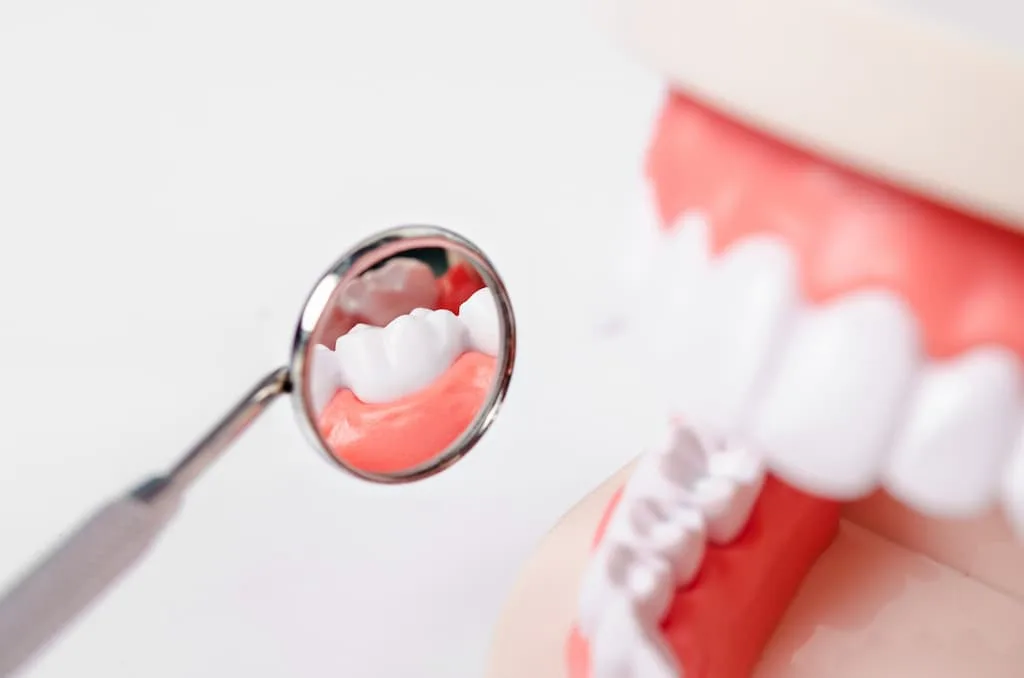
Here’s something that surprises most patients. Many signs of gum disease don’t cause pain. You can have moderate or even advanced periodontal disease without feeling much. This is why waiting for something to hurt before seeking care is risky.
Bone loss happens where you cannot see it, below the gumline and inside the jaw bone. Periodontal pockets form in spaces you cannot examine yourself. Bacteria colonize areas a mirror cannot show you. By the time you notice obvious symptoms like loose teeth or severe recession, significant damage has already occurred.
Most patients expect dental disease to hurt like a cavity or abscess. Periodontal disease is different. It is typically painless until very advanced stages. The bacteria trigger chronic inflammation rather than acute pain. The body fights the infection constantly, but it doesn’t send pain signals to alert you something’s wrong.
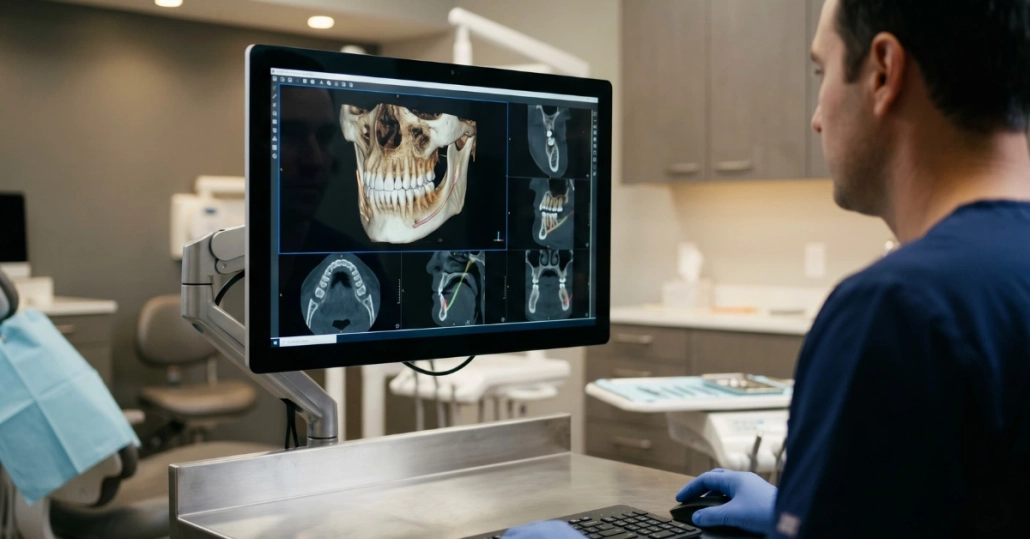
This is exactly why regular dental exams matter. Professional evaluation with pocket-depth measurements and x-rays catches disease you cannot detect on your own. We find problems during routine exams that patients had no idea existed, moderate periodontal disease with no symptoms except slight bleeding they’d dismissed as insignificant.
How Gum Disease Affects Dental Implants
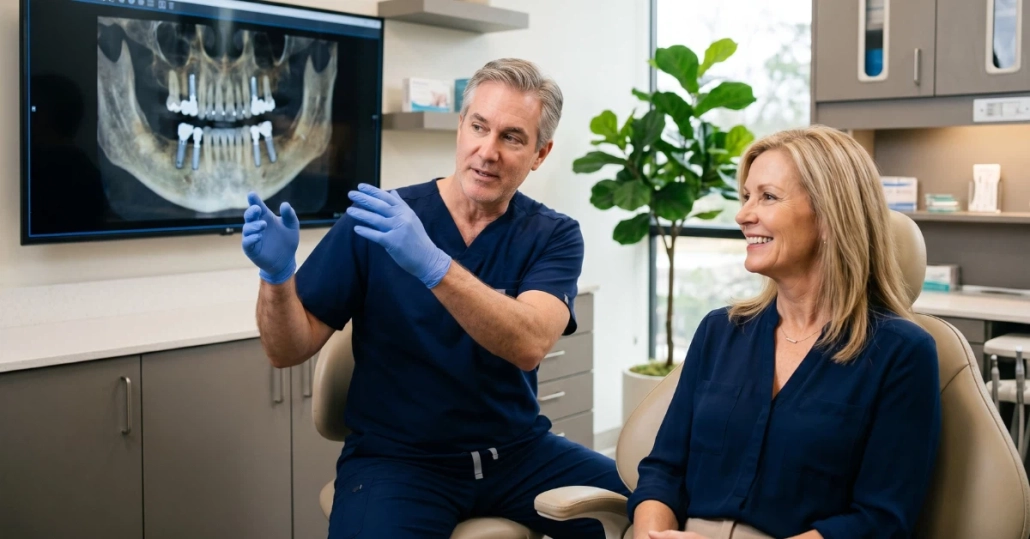
Gum disease and dental implants are connected in two important ways. First, advanced gum disease is a leading cause of tooth loss in adults, and tooth loss is what eventually leads many patients to consider implants. Second, a history of periodontal disease changes how an implant case is planned and how it must be maintained afterward.
If you have gum disease and are thinking about implants later
Advanced gum disease can damage the bone and tissue that support your teeth. If teeth become loose or cannot be saved, our team may discuss tooth-replacement options after the infection is controlled. Dental implants depend on healthy supporting bone and gums, so periodontal evaluation comes first.
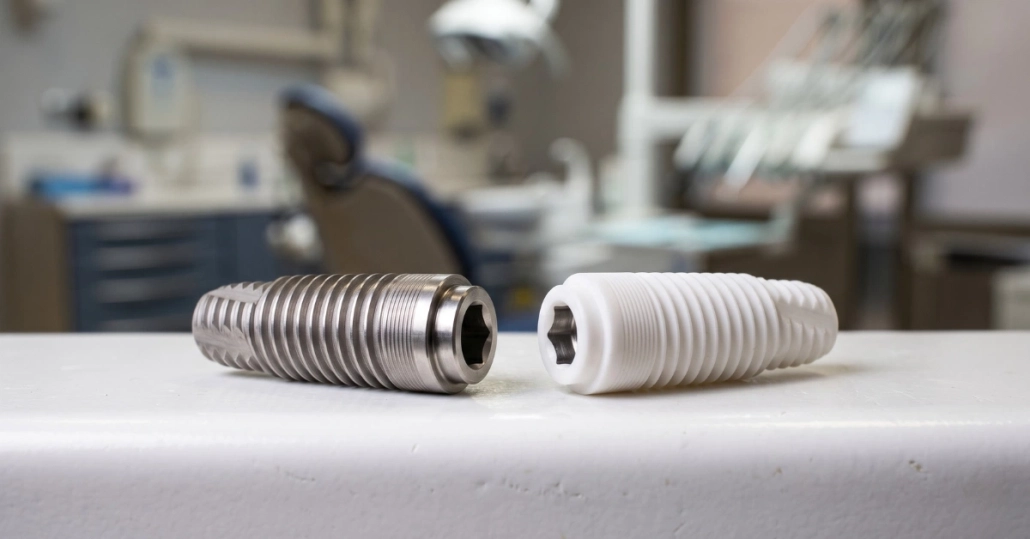
A history of periodontitis is a known risk factor for peri-implant disease, the inflammation and bone loss that can develop around an implant. Implants can still be on the table when gum health is evaluated, treated, and kept stable as part of the implant plan. Our dental implants complete guide covers candidacy in more detail.
If you are currently in active periodontal treatment, the standard approach is to bring the gum disease into control first, then re-evaluate bone, gum health, and candidacy. Patients with well-managed periodontitis can absolutely be implant candidates. The key is stable gum health and a maintenance schedule that does not lapse after the implant is placed.
Are You at Higher Risk for Gum Disease?
Some factors raise the likelihood of developing gum disease. If any apply to you, watch for signs more carefully and don’t dismiss symptoms as minor.
- Smoking or tobacco use. Dramatically raises risk and severity while reducing treatment success.
- Diabetes. A bidirectional relationship, gum disease makes blood sugar harder to control, and high blood sugar feeds bacterial growth.
- Age 50 and up. Nearly half of adults over 30 show signs of periodontal disease according to CDC data.
- Family history. Genetic susceptibility exists. If parents or siblings had periodontal problems, you may be at higher risk.
- Medications that cause dry mouth. Reduced saliva allows more bacterial buildup. Many blood pressure and depression medications can cause this.
- Hormonal changes. Pregnancy and menopause affect how gum tissue responds to bacteria.
- Chronic stress. Impairs the immune response to bacterial infection.
- Poor nutrition. Vitamin deficiencies affect gum tissue health.
- Teeth grinding. Adds mechanical stress to the structures supporting teeth.
- Inflammatory conditions. Heart disease and rheumatoid arthritis correlate with higher gum disease rates.
Multiple risk factors mean dental exams every six months, not annually. Report any gum changes immediately rather than waiting until the next appointment. Our guide to the health effects of gum disease covers the connection between periodontal inflammation and the rest of the body.
Your Next Steps After Recognizing Symptoms
If you’ve recognized any symptoms in this guide, here is what to do now.
Schedule a dental examination promptly. Don’t wait for your next routine cleaning. Call and specifically mention your symptoms, bleeding gums, recession, loose teeth, whatever you’ve noticed. This helps the office understand urgency and schedule appropriate time for a thorough evaluation.
Improve your home care starting today. Brush twice daily for two minutes using a soft-bristle toothbrush. Floss once daily without exception. Use gentle circular motions, not harsh scrubbing. Don’t avoid bleeding areas, they need cleaning most. Home care prevents further progression while you wait for your appointment. Our daily habits guide for gum disease prevention walks through the routine in detail.
Document what you’re noticing. Take photos of your gums if you can. Note when symptoms started and what affects them. This information helps your dentist assess how the disease has progressed.
Stop waiting for it to resolve on its own. Gum disease does not improve without professional intervention. Bacteria in periodontal pockets cannot be removed by brushing alone. Once disease has been established, home care helps hold the line, but professional treatment is what brings the gums back to health.
At your appointment, expect pocket-depth measurements, a complete set of x-rays, and a clear discussion of findings and treatment options. Depending on the stage and the complexity, that may include scaling and root planing, laser periodontal therapy, or surgical care.
Frequently Asked Questions About Signs of Gum Disease
What are the first signs of gum disease?
The first signs are usually gums that bleed when you brush or floss, gums that look red or puffy at the gumline, and bad breath that does not go away after brushing. These early signs point to gingivitis, the reversible stage of gum disease. A professional cleaning combined with consistent home care can restore gum health if you act early.
How do you know if you have gum disease?
You may have gum disease if your gums bleed when you brush or floss, look red or swollen, or pull away from your teeth. Other signs include bad breath that returns soon after brushing, a bad taste that does not go away, new spaces between teeth, sensitivity at the gumline, a bite that feels different, or teeth that feel loose. The only way to confirm gum disease is a periodontal exam that includes pocket-depth measurements and x-rays.
How can I tell the difference between healthy and unhealthy gums?
Healthy gums are pale pink, firm, and have crisp edges where they meet your teeth. They don’t bleed when you brush, don’t feel tender, and fit snugly around each tooth. Unhealthy gums look darker red or purple, feel puffy or swollen, bleed easily, and may be pulling away from teeth. Run your tongue along your gumline. Healthy tissue feels firm and inflamed tissue feels softer.
Do I need to see a specialist for signs of gum disease, or can my regular dentist handle this?
Your regular dentist can diagnose gum disease and treat early stages, gingivitis and Stage I periodontitis. For moderate to advanced periodontal disease, they may refer you to a periodontist, a specialist in the prevention, diagnosis, and treatment of gum disease. At Optima Dental Surgery Center, Dr. Owens treats periodontal disease at every stage and works with patients whose general dentist has referred them in.
Can gum disease go away on its own?
Gingivitis caught very early may improve with much better home care, but it still benefits from a professional cleaning to fully resolve. Periodontitis cannot go away on its own. Bacteria established in periodontal pockets below the gumline cannot be cleaned by brushing and flossing, they need professional treatment. Home care prevents progression but does not eliminate disease once it has taken hold.
What does stage 1 gum disease look like?
Stage I periodontitis under the 2017 AAP classification is the earliest stage of disease that has crossed from gingivitis into actual attachment loss. Hallmarks include early attachment loss of 1 to 2 mm, bone loss under 15 percent on x-ray, and pocket depths up to 4 mm. Stage I often follows gingivitis that wasn’t treated. Inflammation can still be controlled, but the attachment that was lost does not simply grow back.
When should I see a periodontist for gum disease symptoms?
See a periodontist if you have moderate to advanced symptoms, bleeding that does not resolve after a cleaning, visible recession, pus, loose teeth, or pain when chewing. Your general dentist will refer you when periodontal therapy goes beyond what their office handles in-house. You can also self-refer to a periodontist directly. At Optima, we welcome both referred patients and patients who come to us on their own.
Can gum disease affect dental implants?
Yes. A history of periodontitis is a known risk factor for peri-implant disease, the inflammation and bone loss that can develop around an implant. Patients with gum disease can still be implant candidates, but the gums and bone need to be evaluated and treated first, and a maintenance schedule has to be followed after the implant is placed. Our team plans implant cases around active gum disease so the implant has the best chance to last.
Clinical References
- American Academy of Periodontology. Gum Disease Information. Patient education hub.
- American Academy of Periodontology. Staging and Grading Periodontitis (2017 AAP classification, PDF).
- American Academy of Periodontology. Peri-Implant Diseases. Patient education.
- American Dental Association. Gum Disease. MouthHealthy.org patient guide.
- Centers for Disease Control and Prevention. Fast Facts on Gum Disease. National prevalence data.
- National Institute of Dental and Craniofacial Research. Gum Disease. NIH health information.
- Schwarz F, Derks J, Monje A, Wang H-L. Peri-implantitis. PubMed PMID 27833728. Review of evidence on history of periodontitis as a risk factor for peri-implant disease.
Those symptoms you’ve been noticing, the bleeding when you brush, the gums that look a little redder, the slight recession you thought was just aging, they’re your body’s way of telling you something needs attention. Healthy gums don’t bleed, swell, pull away from teeth, or change color. Any of these signs of gum disease warrants a professional evaluation.
Scheduling an appointment when you notice these changes is the right call. Early detection means simpler treatment, better outcomes, and a much better chance of keeping all your teeth. The patients who wish they’d come in sooner are the ones who dismissed early warning signs as insignificant until disease progressed to something more serious.
At Optima Dental Surgery Center, Dr. Owens provides thorough periodontal evaluations with clear explanations of findings and treatment options. No judgment about how long symptoms have been present, just honest assessment and a plan for getting your gums healthy again.