Most full-arch implant patients walk in with the same questions during the first week. How much swelling is normal? When can I eat real food? When’s it time to call the office? This dental implant recovery timeline covers what to expect after dental implant surgery week by week, from the first 48 hours through osseointegration.
Our team at Optima Dental Surgery Center treats full-arch implant patients across Round Rock and Austin. Dr. Kris Owens and the surgical team built this guide around the questions patients actually ask in follow-up visits. Each section gives you a realistic window for healing and a clear signal for when to call us.
Read it before your procedure to set expectations, and keep it handy during recovery. Every patient heals on their own clock. The patterns below cover what most full-arch implant patients can plan for.
The First 48 Hours After Full-Arch Implant Surgery
The first 48 hours set the tone for the rest of your dental implant recovery timeline. Light bleeding tapers off within hours. Swelling builds gradually and usually peaks around day 2 or day 3.
Discomfort varies among patients and the medication your surgeon prescribes handles it. Cold packs help. Use them in 20-minute intervals for the first 24 hours.
Bruising can appear under the chin or along the jawline by day 2. That’s normal in full-arch cases because the surgical site is wider than a single-tooth implant. For day-by-day specifics on All-on-X cases, our All-on-X aftercare instructions cover the protocol your surgeon will reinforce at your post-op visit.
Week-by-Week Dental Implant Recovery Timeline
The dental implant recovery timeline runs longer than most patients expect because healing happens in two layers. Soft tissue heals in 2 to 4 weeks. Bone takes 3 to 6 months to fully integrate with the implant posts.
The table below shows what healing looks like at each stage, plus the symptoms, diet, and activity that fit each window.
| Stage | What is healing | What you may feel | Diet and activity |
|---|---|---|---|
| First 48 hours | Clot formation at each implant site, start of soft tissue response and inflammation | Swelling builds to a peak on day 2 to 3, mild to moderate discomfort controlled by medication, minor oozing | Cool liquids and very soft foods, head elevated, no straws, no exercise |
| Days 3 to 7 | Swelling resolves, bruising may appear and fade, gum tissue begins closing | Visible reduction in swelling by day 5, discomfort drops sharply after day 3, mild jaw stiffness | Soft foods, light walking, no heavy lifting or strenuous exercise |
| Weeks 2 to 4 | Soft tissue largely closed, gum tissue settling into long-term shape, stitches dissolved or removed | Comfort approaching normal, some tightness when opening wide, mild sensitivity around implant sites | Semi-soft foods, return to most daily activity, light gym work after week 3 |
| Months 2 to 3 | Osseointegration well underway, bone cells growing onto the implant surface | Day-to-day comfort, occasional awareness of implant sites under load, no functional limits | Regular soft foods, full activity. |
| Months 4 to 6 | Bone integration nearing completion, your case planned for final restoration | Normal function with temporary teeth, no surgical site sensations | Regular soft foods, full exercise |
| Long-term | Final prosthesis fitted, daily hygiene maintains tissue health, professional cleanings every 3 to 4 months | Function and look of natural teeth, no recurring symptoms | All foods within the protective guidance for your prosthesis |
This timeline assumes a standard full-arch case without major bone grafting. If your case includes additional grafting, healing extends by 2 to 4 months on the affected side. Your surgeon will give you a personalized timeline at your post-op visit. The stage-by-stage implant process page covers the surgical sequence that comes before recovery.
Healing Stages and What Osseointegration Means
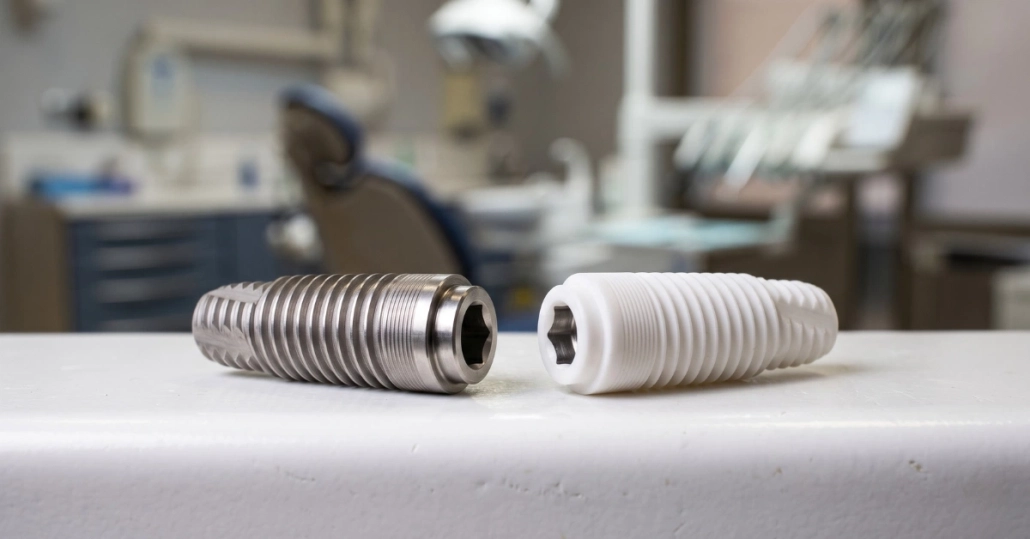
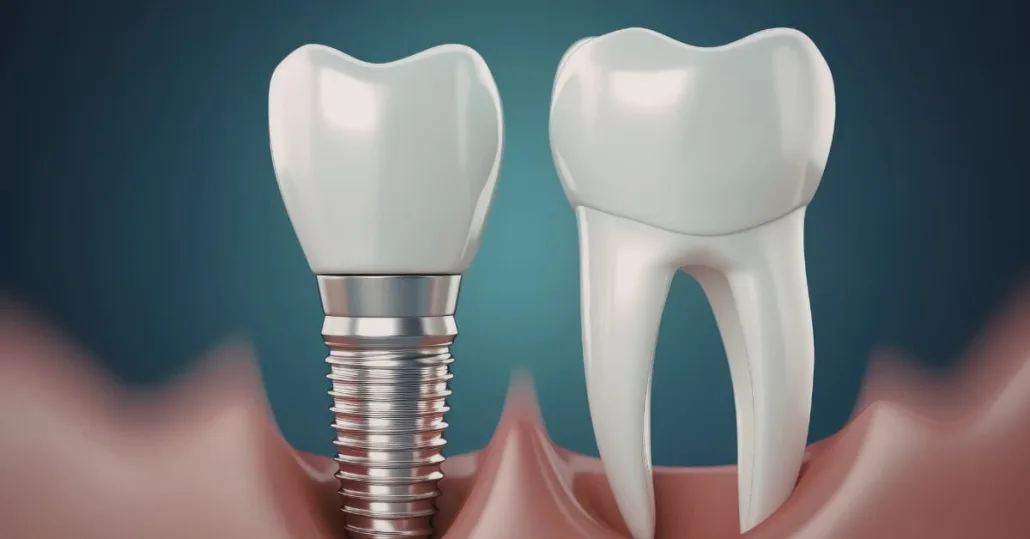
Osseointegration is the medical term for bone fusing to titanium or ceramic implant posts. It’s why a dental implant healing timeline runs in months. Bone cells grow directly onto the implant surface, creating a structural connection that supports the final prosthesis.
For most full-arch patients, soft tissue healing wraps up by week 4. Stitches dissolve or come out, swelling resolves, and the gum tissue settles into its long-term shape. Bone integration continues invisibly under the surface for another 3 to 5 months.
The healing biology is well-documented by the American Dental Association and clinical research published through the National Institutes of Health. Long-term clinical follow-up across the industry shows success rates around 95% over 10 years in patients with healthy bone density.
Patients who need additional bone work see longer healing windows. The bone grafting context page covers when and why grafting changes your dental implant recovery timeline.
Diet Progression Week by Week
Diet does heavy lifting in your dental implant recovery timeline. Too firm too soon stresses the temporary prosthesis and the healing bone. Stay too soft for too long and you slow your return to normal jaw function.
The diet table below shows what most full-arch patients can eat at each stage. Always follow the specific guidance your surgeon gives you, because individual cases vary.
| Stage | What you can eat | What to avoid |
|---|---|---|
| Days 1 to 3 | Cool water, broths, yogurt, smoothies (no straws), apple sauce, gelatin | Hot drinks, alcohol, anything that needs chewing, straws |
| Days 4 to 7 | Mashed potatoes, scrambled eggs, soft fish, soft pasta, oatmeal, ricotta, cottage cheese | Chips, crusty bread, nuts, popcorn, raw vegetables |
| Weeks 2 to 4 | Soft sandwiches, pancakes, well-cooked vegetables, tender meats cut small, soft fruits | Tough cuts of meat, whole apples or carrots, ice, jerky |
| Months 2 to 6 | Most regular foods within the limits of your temporary teeth, gradually firmer textures | Sticky candy that can pull at the temporary prosthesis, deeply hard foods |
| After final restoration | A normal varied diet within the protective guidance for your final prosthesis | Habitual ice chewing and any food your surgeon flagged for your specific case |
Three habits help every stage. Drink plenty of water. Skip alcohol for the first week. Avoid straws for the first 10 days, because the suction can disturb the clot at each implant site. Patients who also had soft tissue grafts can review the gum graft recovery timeline for soft-tissue-specific diet guidance.
Returning to Work and Daily Activity
Where you sit in your dental implant recovery timeline shapes when you can go back to work. Most full-arch implant patients return to desk-based work in 3 to 5 days. Physical labor jobs need a longer window of 10 to 14 days. Dental implant recovery time off work depends on how visible the swelling is, how often you need pain medication, and whether your job involves heavy lifting that raises blood pressure to the head and neck.
For exercise, stick to walking the first week. Skip the gym, running, swimming, and weightlifting for 10 to 14 days, then return gradually. Heavy lifting can spike blood pressure at the surgical sites for several more weeks.
Travel is fine after 72 hours for short flights, longer for international travel. Call us at Optima if you have a trip planned during the first month of recovery and we’ll adjust the plan around your itinerary.
Warning Signs Worth Calling Optima About
Most healing complications are easy to address when caught early. The callout below sorts symptoms into what you can expect, what’s worth monitoring, and what should prompt a call to our office. The Mayo Clinic offers a broader framework on post-surgical concerns. When in doubt, call us anyway. We’d rather hear from you twice for the same concern than miss something.
Expected
- Swelling peaking on day 2 or 3, then easing
- Mild ache for 3 to 5 days, controlled with medication
- Light oozing for the first 24 hours
- Bruising along the chin or jawline by day 3
- Numbness fading within 4 to 8 hours after surgery
Monitor
- Swelling that holds steady past day 4 without easing
- Pain that worsens after day 4 instead of getting better
- Bad taste in your mouth that does not clear with rinses
- Temporary teeth feeling looser than usual
- Tingling lasting past 24 hours after surgery
Call our office
- Fever above 101 F
- Heavy bleeding past 24 hours
- Pus or drainage from any implant site
- Sudden temporary teeth coming loose
- Numbness that lasts past day 1
- Severe pain not relieved by prescribed medication
For Optima patients in Round Rock and Austin, the office line is (512) 341-2321. After hours, the line routes to the on-call team. The after-implant care page covers the standard post-operative instructions your surgeon will reinforce.
Recovery FAQs
How long does dental implant recovery take week by week?
Initial soft tissue healing wraps up in 2 to 4 weeks. Osseointegration of the bone to the implant posts continues for 3 to 6 months. Most patients feel normal day-to-day within the first month, though final restoration timing depends on bone healing.
What are the dental implant healing stages after full-arch surgery?
The stages run in order. The first 48 hours bring inflammation and bleeding control. Days 3 to 14 cover soft tissue healing. Weeks 3 and 4 see the gum settling and stitch removal. Months 2 to 6 are the osseointegration window. The final months focus on restoration and long-term care. Each stage carries its own typical symptoms and activity guidance.
When can I eat normally after full-arch implants?
Most patients move from liquids to very soft foods around day 4 or 5, soft foods in week 2, semi-soft foods in weeks 3 and beyond. Exact timing depends on your case and your surgeon’s guidance.
What pain and swelling are normal after surgery?
Swelling builds to a peak on day 2 or 3 and resolves over 7 to 10 days. Discomfort is moderate for the first 3 days and tapers off rapidly after that. The medication your surgeon prescribes handles both. Bruising along the chin and jawline is also normal in full-arch cases.
How long should I take off work?
Desk work, 3 to 5 days. Physical labor, 10 to 14 days. Call us to discuss your specific job demands and we’ll help you set a realistic return-to-work date.
Plan Your Full-Arch Recovery With Optima
Every full-arch recovery looks a little different because every patient’s bone, soft tissue, and overall health are different. The guidance above gives you a realistic baseline. Your personalized dental implant recovery timeline comes from your surgeon at your free consultation and post-op visits.
If you’re considering full-arch implants and want to talk through what recovery will look like in your case, our team in Round Rock and Austin is happy to walk you through it. The full-arch implants guide covers system options, candidacy, and what to expect from consultation through final restoration.