Your dentures slip during dinner. Your bridge is failing after years of repairs. You’ve avoided smiling in photos for so long that people assume you’re just serious by nature. I know this because full arch implants become the solution only after patients exhaust every temporary fix – and Central Texas patients tell me they wish they’d understood their options years earlier.
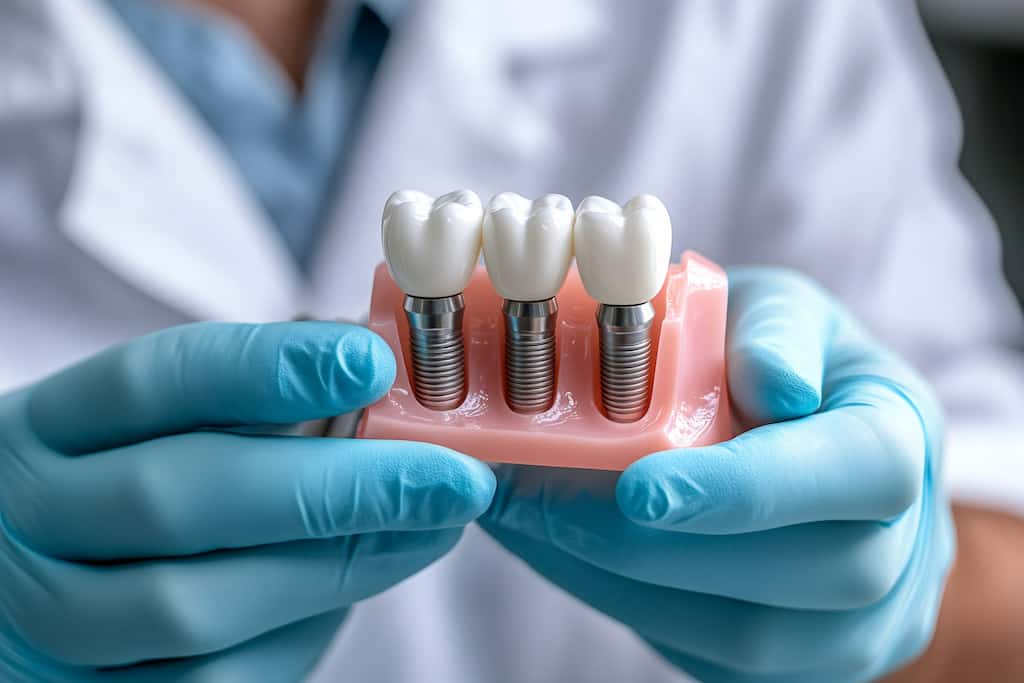
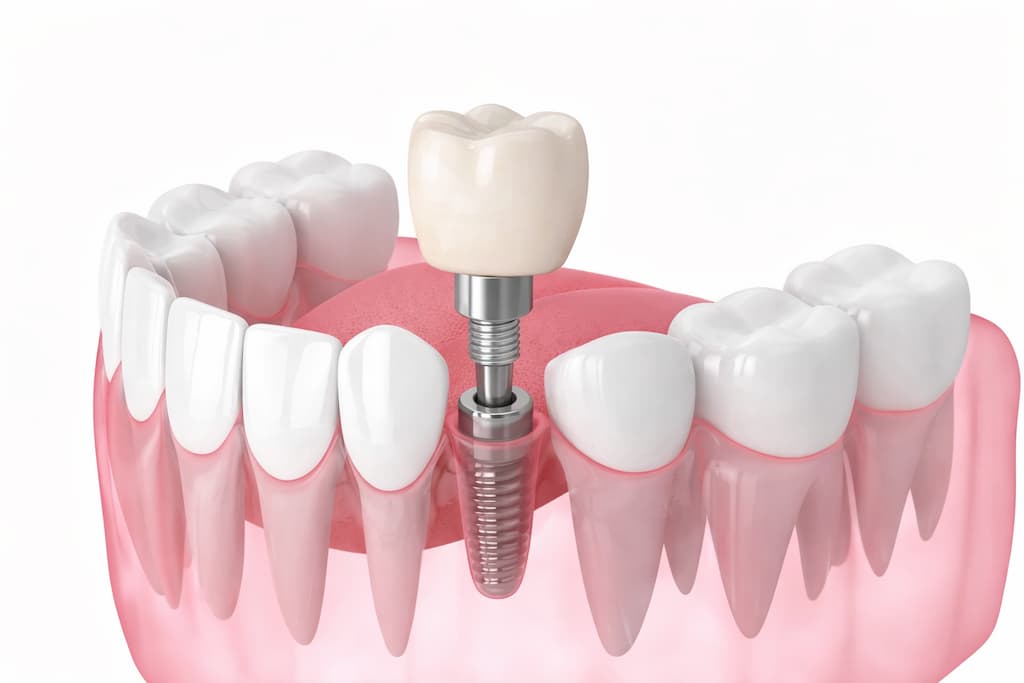
Here’s what actually works for complete smile restoration. Full-arch implants replace an entire upper or lower arch of teeth using four to six strategically placed titanium posts that support a fixed prosthetic. Unlike removable dentures or individual implants for each missing tooth, this approach gives you permanent teeth that function like natural ones – and the treatment planning starts with understanding which system fits your bone structure, budget, and recovery timeline.
This guide covers everything Austin, Round Rock, and Temple-area patients ask during consultations. You’ll see exact cost ranges for All-on-X and Stabili systems, realistic recovery timelines, and how CT scan imaging determines your candidacy. By the end, you’ll know which approach matches your case – and what to expect from surgery through final restoration.
What Full-Arch Implants Actually Replace
Full-arch implants replace complete dental arches – all upper teeth, all lower teeth, or both. The system addresses failing dentition that can’t be saved with crowns or bridges, advanced periodontal disease that’s destroyed supporting bone, complete tooth loss from trauma or decay, and chronic denture problems that affect eating and speaking.
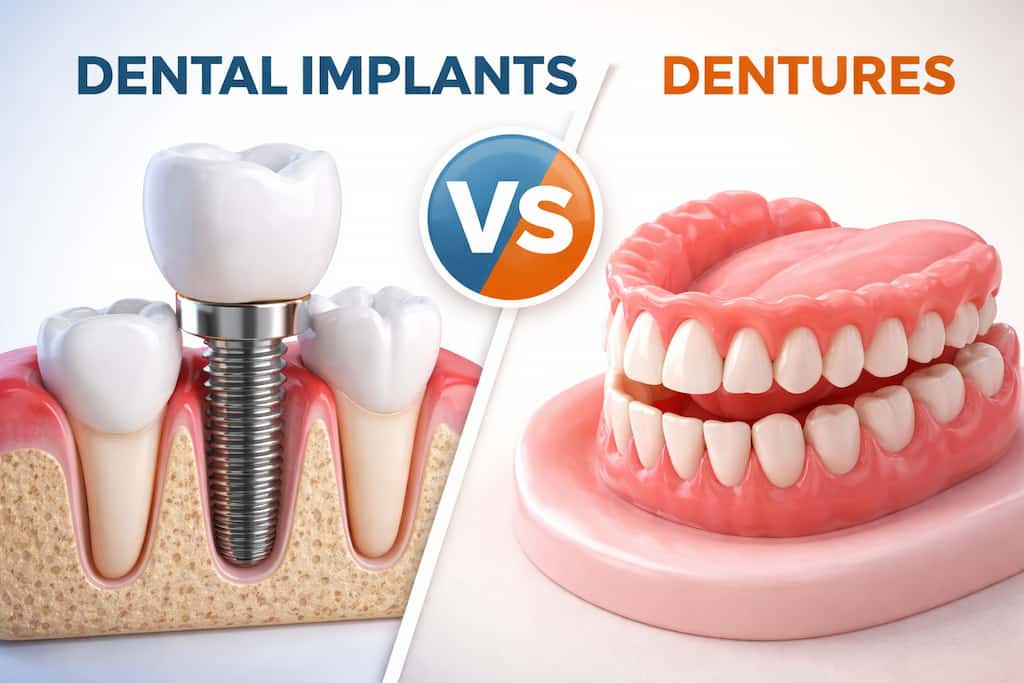
The restoration looks and functions differently than what most patients expect. You’re not getting removable dentures that sit on implants. You’re getting fixed teeth that stay in your mouth permanently, requiring the same care as natural teeth – brushing, flossing, and regular cleanings. The prosthetic attaches to implant posts embedded in your jawbone, creating stability that lets you eat steak, bite apples, and speak without worrying about movement or adhesives.
I’ve seen patients confuse this treatment with implant-supported overdentures, which snap onto implants but remove for cleaning. Full-arch implants stay fixed. Your surgeon removes them only during periodic maintenance visits, not daily. This distinction matters because fixed restorations require different bone support, different prosthetic design, and different cost structures than removable options.
The bone integration process determines long-term success. Titanium posts fuse with your jawbone through osseointegration over three to six months. During this healing period, you wear temporary teeth that let you function normally while bone cells grow around the implant surfaces. Once integration completes, your surgeon attaches the final prosthetic – a custom-fabricated arch designed to match your facial structure, bite pattern, and aesthetic preferences.
This treatment works because four to six implants can support an entire arch when placed at specific angles that maximize contact with available bone. The physics behind this approach – distributing force across multiple anchor points – means you don’t need an implant for every missing tooth. That’s why full-arch restoration costs less than replacing twelve to fourteen teeth individually, even though you’re getting complete smile reconstruction.
All-on-X vs Stabili – Which System Fits Your Case
The naming conventions confuse patients more than the actual procedures. All-on-X refers to the number of implants used – All-on-4 uses four implants per arch, All-on-6 uses six. Stabili describes a specific implant system and prosthetic design that typically uses four to six posts but with different angulation protocols and connector types. Both approaches accomplish full-arch restoration, but they differ in candidacy requirements, bone grafting needs, and long-term maintenance patterns.
Your bone density and distribution determine which system works. All-on-X protocols place posterior implants at 30-45 degree angles to engage denser bone in the sinus and maxillary regions, which lets patients with moderate bone loss avoid grafting procedures. Stabili systems use straighter implant placement with specialized abutments that accommodate angulation at the prosthetic level rather than the implant level. This difference affects surgical complexity, healing time, and how your final restoration attaches.
Here’s how the systems compare across factors that matter to Central Texas patients:
- Bone Requirements – All-on-4 works with less bone height because angled placement reaches areas where bone remains adequate. All-on-6 provides more support but requires sufficient bone for six posts. Stabili systems need good bone quality in implant sites but offer flexibility in restoration design.
- Surgery Complexity – All-on-4 takes 2-3 hours per arch with immediate temporary teeth placement. All-on-6 adds 30-60 minutes for additional implant sites. Stabili procedures follow similar timelines but may require different surgical guides and planning protocols.
- Grafting Needs – All-on-X reduces grafting by using available bone strategically. Stabili may require grafting in cases where All-on-4 wouldn’t, depending on bone distribution. This affects both cost and healing time.
- Prosthetic Options – All-on-X restorations typically use acrylic-based hybrids with titanium frameworks. Stabili systems offer similar materials but with connector designs that simplify future adjustments and repairs.
- Long-term Maintenance – Both systems need professional cleaning every 4-6 months. All-on-X prosthetics may require replacement after 10-15 years of normal wear. Stabili components often allow for easier modification without replacing the entire restoration.
- Cost Range in Texas – All-on-4 runs $20,000-$28,000 per arch in the Austin area. All-on-6 adds $3,000-$5,000 per arch for additional implants. Stabili systems fall in similar ranges but vary based on specific components and laboratory partnerships.
The decision between systems comes down to your CT scan findings. I look at bone density measurements, sinus position, nerve location, and existing bone pathology. If you have adequate bone in the right locations, All-on-4 may offer a predictable timeline and cost. If bone quality concerns exist or you want maximum long-term stability, All-on-6 or Stabili approaches may make more sense despite higher initial investment.
Most Central Texas patients qualify for some form of full-arch treatment. The question isn’t whether implants will work – it’s which protocol may give you a good combination of surgical simplicity, healing predictability, and functional longevity for your specific anatomy and budget.
Full-Arch Implants Cost: Complete Texas Pricing
Full-arch implants cost $20,000 to $35,000 per arch in Central Texas, with variation based on implant system, prosthetic materials, surgeon experience, and whether grafting procedures are needed. That range includes surgery, implants, temporary teeth, final restoration, and follow-up visits through the first year. Understanding what drives cost differences helps you evaluate quotes accurately instead of selecting based solely on lowest price.
Here’s the complete breakdown for Austin, Round Rock, and Temple-area patients:
- All-on-4 Upper Arch – $22,000-$28,000 including four implants, surgical procedure, immediate temporary prosthetic, final hybrid restoration, and first-year maintenance. This represents the most common full-arch treatment in our region.
- All-on-4 Lower Arch – $20,000-$25,000 with the same inclusions. Lower arch procedures cost slightly less because surgical access is simpler and bone density in the mandible typically requires less complex planning.
- All-on-6 Upper Arch – $25,000-$32,000 including six implants and corresponding surgical complexity. The additional implants provide more support but extend surgery time and healing considerations.
- All-on-6 Lower Arch – $23,000-$28,000 with two additional implant sites compared to All-on-4. Lower arch bone density often makes six-implant protocols less necessary than in upper arches.
- Stabili System Per Arch – $24,000-$35,000 depending on specific components and laboratory partnerships. Pricing reflects proprietary prosthetic designs and specialized surgical protocols.
- Both Arches Combined – $40,000-$60,000 when treating upper and lower simultaneously. Combined procedures reduce total cost compared to staging treatments separately, though recovery intensity increases.
These ranges include everything from consultation through final restoration. Surgery fees, implant hardware, temporary teeth you wear during healing, final prosthetic fabrication, and follow-up adjustments all factor into the quoted price. What’s not included – and what increases final cost – are bone grafting procedures, sinus lifts, tooth extractions beyond simple cases, and sedation options beyond local anesthesia.
Financing makes treatment accessible for most Central Texas patients. We work with CareCredit, Lending Club, and Alphaeon Credit, which offer 12-24 month interest-free periods for qualified applicants. Monthly payments typically run $350-$650 per arch depending on your down payment and credit terms. Some patients use health savings accounts or flexible spending accounts to cover portions of treatment, though insurance rarely pays for full-arch implants since they’re considered cosmetic rather than medically necessary.
The cost variation between practices reflects surgeon training, technology investments, and materials quality rather than arbitrary pricing. Practices using 3D planning software, contemporary implant systems, and laboratories that fabricate custom prosthetics may charge more than providers using standard protocols and mass-produced components. You’re paying for predictability and longevity, not just the physical implants.
I tell patients to evaluate total value rather than initial price. Treatment that uses quality components and experienced surgical protocols tends to provide longer service than budget-focused alternatives. Ask about implant brands, laboratory relationships, surgeon experience with full-arch cases, and what happens if complications occur during the warranty period.
Full-Arch Implant Recovery: Week by Week
Full-arch implant recovery takes three to six months from surgery to final restoration, but you’ll function normally throughout the process with temporary teeth. The timeline breaks into distinct phases – immediate post-surgical healing, osseointegration, and final prosthetic placement. Understanding what happens during each phase helps you plan time off work, adjust your diet, and know when you can return to normal activities.
Here’s the realistic timeline Central Texas patients experience:
- Surgery Day – The procedure takes 2-4 hours depending on whether you’re treating one arch or both. You leave with temporary teeth attached to your new implants, so you’re never without teeth. Expect numbness from anesthesia for 4-6 hours, mild to moderate discomfort managed with prescribed pain medication, and some facial swelling that peaks around day two.
- Days 1-3 – This is your most uncomfortable period. Swelling increases, bruising may appear along your jawline, and eating is limited to liquids and very soft foods. Stay ahead of pain with medications as prescribed, use ice packs 20 minutes on and 20 minutes off, sleep with your head elevated, and avoid any activity that increases blood pressure. Most patients need 2-3 days off work for upper arch surgery, 3-4 days for lower arch because speaking can be more challenging.
- Days 4-14 – Swelling decreases significantly by day five. Bruising fades over 7-10 days. You’ll transition from liquids to soft foods like scrambled eggs, mashed potatoes, and protein shakes. Discomfort becomes manageable with over-the-counter pain relievers. You can return to work if your job doesn’t require heavy physical labor, though you’ll need to maintain a modified diet and avoid using temporary teeth for anything requiring strong biting force.
- Weeks 3-8 – Soft tissue healing completes during this phase. You’ll gradually expand your diet to include more variety, though you should still avoid hard, crunchy, or chewy foods that could stress your temporary restoration. Implants are integrating with bone but haven’t reached full strength. Follow-up visits check healing progress and make any necessary adjustments to your temporary teeth.
- Months 3-6 – Osseointegration reaches completion. Your surgeon confirms bone integration through clinical examination and potentially imaging studies. Once confirmed, we take impressions for your final prosthetic. Final restoration fabrication takes 2-3 weeks, then you return for permanent teeth placement. This restoration uses higher-quality materials than your temporary teeth and is designed for long-term function and aesthetics.
- Month 6 and Beyond – You’re fully healed with your permanent restoration in place. Diet returns to normal with no restrictions. You can eat steak, bite apples, and chew foods that were impossible with dentures or failing teeth. Maintenance involves brushing and flossing daily, professional cleanings every 4-6 months, and annual check-ups to monitor implant health.
Activity restrictions affect different patients differently. Desk workers return after 3-4 days with minimal accommodation. Construction workers, nurses, or anyone with physically demanding jobs need 7-10 days before resuming normal duties. Avoid heavy lifting, intense cardio, and contact sports for four weeks minimum – increased blood pressure during healing can cause bleeding and compromise integration.
The temporary teeth phase frustrates some patients because you have restrictions despite having new teeth. Think of temporaries as scaffolding – they look good and let you function socially, but they’re not designed for full force. Trying to eat corn on the cob or bite into a sandwich during the first eight weeks can damage your temporary restoration or stress implants before they’ve integrated properly.
Complications during recovery are rare but treatable when caught early. Watch for increasing pain after day three (should be decreasing), persistent bleeding beyond 24 hours, fever above 101°F, or temporary teeth that feel loose. These symptoms indicate infection or implant stability issues that need immediate attention. Most patients heal without complications when they follow post-surgical instructions and attend scheduled follow-up visits.
How We Plan Your Full-Arch Case
Full-arch implant planning starts with a CT scan that shows your bone density, anatomical structures, and optimal implant positions. This imaging technology provides precise surgical protocols with predictable outcomes. The scan reveals information needed before surgery – where nerves run, how much bone exists in implant sites, whether sinus lifts are necessary, and what angulation gives maximum bone contact for each post.
The consultation process takes 45-60 minutes at our Austin-area locations. You’ll discuss your dental history, current challenges with eating or speaking, aesthetic goals for your new smile, and timeline preferences. I examine your existing teeth or dentures, assess soft tissue health, and explain which full arch approach fits your situation. If you’re a candidate, we schedule CT imaging either that day or within the week.
CT scan analysis happens before finalizing your treatment plan. I use specialized software to place virtual implants in optimal positions, accounting for bone density variations, anatomical limitations, and prosthetic requirements. This digital planning creates surgical guides – physical templates that direct implant placement with sub-millimeter accuracy during your procedure. The guides eliminate guesswork and reduce surgery time because we’ve already solved positioning challenges virtually.
Your treatment plan includes specific details about implant system selection, whether grafting procedures are needed, expected surgery duration, temporary teeth design, and timeline to final restoration. You’ll see cost breakdowns, financing options, and what happens if complications occur. This transparency matters because full-arch treatment is a significant investment – you should understand exactly what you’re getting and what could affect the projected timeline or cost.
For Central Texas patients exploring full-arch implants, we offer CT scans at our Round Rock and Temple locations with same-day consultations when scheduling permits. The imaging appointment takes 15 minutes, consultation and planning discussion takes another 45 minutes, and you leave with a complete understanding of your candidacy, treatment options, and next steps. No pressure, no upselling, just clear information about whether full-arch implants may work for your case – and if they will, which approach may provide a good outcome.
Some patients don’t qualify for immediate full-arch placement. Active infections, uncontrolled diabetes, recent radiation therapy to the jaw, or insufficient bone in critical areas can delay treatment until these conditions are addressed. I’d rather identify barriers upfront and create a path toward successful treatment than proceed with surgery that has elevated complication risks. That might mean treating gum disease first, stabilizing blood sugar levels, or completing bone grafting before implant placement – which can lead to more predictable outcomes.
Your Next Step Toward Fixed Teeth
Full-arch implants work when patients understand their options, commit to the healing process, and choose a surgical team that prioritizes transparency over salesmanship. You’ve seen the cost ranges, recovery timeline, and differences between All-on-X and Stabili systems. You know that CT scan planning eliminates surgical guesswork and that temporary teeth let you function during the 3-6 month integration period. The question now is whether you’re ready to stop managing failing teeth and start the process toward permanent restoration.
Every week you delay treatment, bone loss continues. Dentures accelerate ridge resorption because they don’t stimulate bone the way natural teeth or implants do. Failing teeth spread infection to neighboring teeth and supporting structures. The longer you wait, the more complex your case becomes – potentially requiring additional grafting, longer healing times, and higher costs than if you address the problem now.
Austin, Round Rock, and Temple-area patients can schedule CT scan consultations at Optima Dental Surgery Center by calling our main line or requesting an appointment through our website. We’ll get you in within one week typically, complete imaging and planning discussion in a single visit, and provide a treatment plan with exact pricing before you leave. You’ll know whether you’re a candidate for immediate full arch placement or if preliminary procedures are needed first.
Financing approval takes 24-48 hours through our lending partners. Most patients qualify for payment plans that make treatment affordable within their monthly budget. The investment in full arch implants pays dividends for decades – better nutrition because you can eat properly, improved confidence in social and professional settings, elimination of ongoing dental emergencies and repairs, and bone preservation that maintains facial structure.
If you’re tired of dental problems controlling your life, schedule your CT scan consultation. You’ll get answers about candidacy, realistic cost expectations, and a timeline from surgery to final teeth. No pressure to commit – just clear information from a surgical team that’s completed hundreds of full-arch cases in Central Texas. Your consultation reveals whether full-arch implants will work for you. Your decision determines when you start the journey toward permanent, functional teeth that let you eat, speak, and smile without limitation.