You’ve done the research. You know you need dental implants. You may have visited one or two offices, sat across from a dentist, and walked out with a treatment plan you didn’t fully understand and a price tag that made your stomach drop. So you searched for another dental implant consultation near you – maybe in Austin, maybe in Round Rock – and scheduled it anyway. And maybe another after that.
I see this pattern regularly with patients who come to Optima Dental Surgery Center. By the time many of them walk through our door, they’ve spent months in consultation rooms, collected a stack of proposals, and are more confused than when they started.
That’s not a failure of effort on their part – it’s a gap in how implant consultations are typically handled across the industry. Most patients pursuing full-arch dental implants – including All-on-X and the Stabili-teeth® full-arch system – go through three to six consultations before committing to treatment. Understanding why can help you cut through the noise and walk out of your next appointment with actual clarity, wherever in the Austin area you happen to be sitting.
Why Your Dental Implant Consultation Keeps Repeating
The most common reason patients return for consultation after consultation isn’t indecision – it’s incomplete information. Dental offices vary widely in how they present treatment options, and patients often leave without answers to the questions they were afraid to ask out loud. Here’s what I’ve observed from patients who’ve been through multiple consultations before arriving at ours.
| Pattern | What It Looks Like |
|---|---|
| Price quotes without context | A $25,000 estimate and a $45,000 estimate for what sound like similar procedures create confusion – not because patients are bad at making decisions, but because they’re comparing numbers without a framework for what’s included. |
| Technical language without translation | Patients nod along in the chair and search Google the moment they get to their car. An explanation of implant systems and bone density means little until it connects to your daily life – your ability to eat, speak, and feel confident. |
| No imaging on the first visit | The treatment plan you received may have been estimated rather than based on your actual anatomy. Without a CT scan, a surgeon is working from an educated guess, and patients often sense this. |
| Pressure-based closes | When a dental implant consultation ends with urgency tactics or limited-time financing offers, it signals that the office’s interests are being prioritized over yours. |
| One option presented as the only option | Most full-arch cases have more than one viable treatment path. Patients who receive only a single recommendation often look for additional opinions to find out what they’re missing. |
Multiple consultations are a rational response to incomplete information. The process continues until a patient finds a provider who gives them genuine clarity.
What Every Dental Implant Consultation Should Tell You
A productive dental implant consultation does more than present a treatment plan. It gives you enough information to make a decision you’ll feel good about years from now.
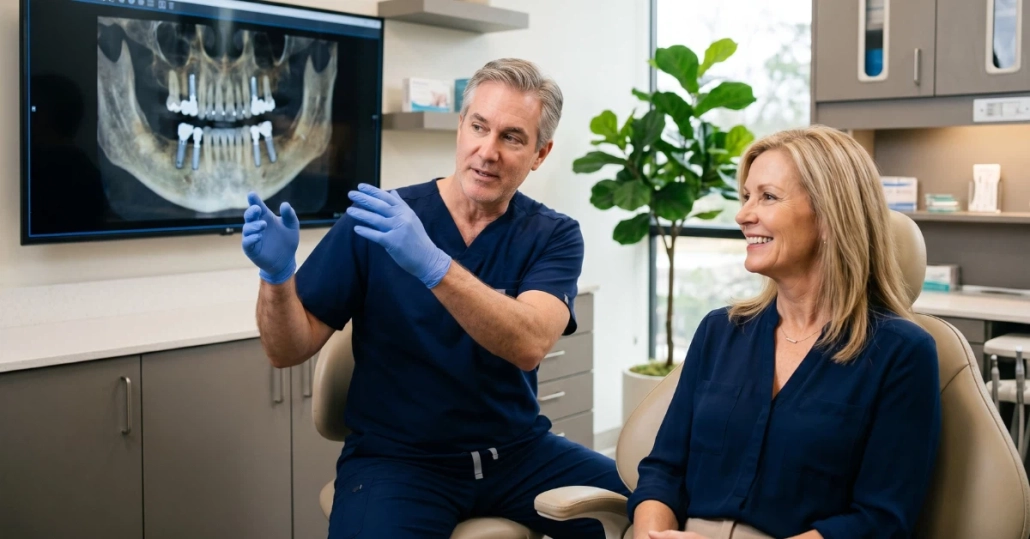
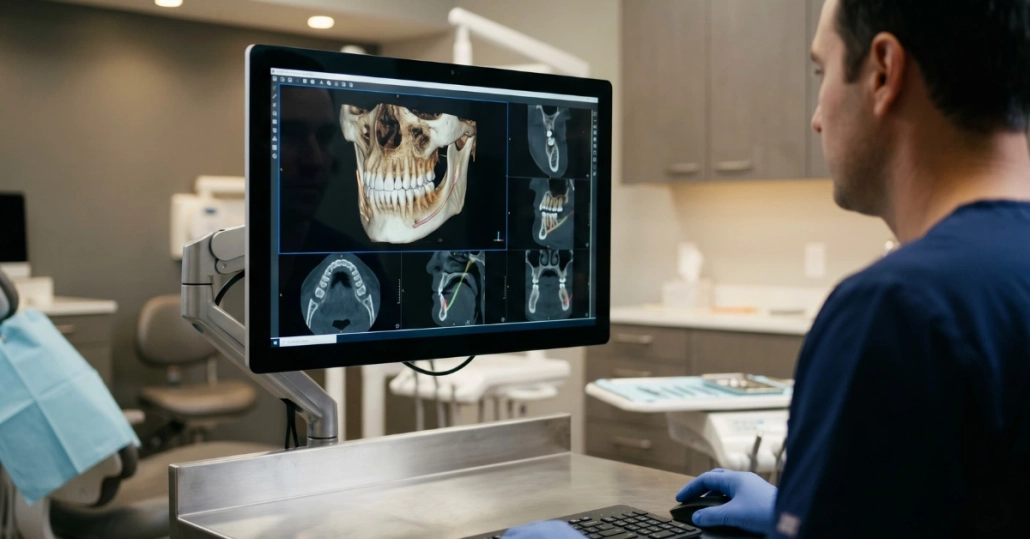
A thorough consultation starts with your bone structure and current oral health, ideally assessed through a 3D CT scan before treatment planning begins, so recommendations are based on your anatomy rather than general assumptions. From there, the specific procedure being recommended should connect clearly to your case – if you’re a candidate for Stabili-teeth® rather than a conventional All-on-4 or All-on-X system, that distinction should make sense for your clinical picture, not just sound like an upsell.
You should also walk away with a realistic healing timeline – not a best-case scenario, but an honest range from surgery through full recovery (our All-on-X aftercare and recovery guide walks through what that period typically looks like) – plus all-in pricing that doesn’t exclude extractions, bone grafting, or follow-up care. Financing should be presented without pressure and ideally from more than one lender; you can review our dental implant financing options in Austin before your appointment. And you should have time to ask questions without feeling like you’re on a clock or holding up the next patient.
Consultation Readiness Checklist
Bring this list to your next appointment.
- List of all current medications and medical conditions
- Any previous dental X-rays or imaging reports
- Questions about the specific procedure and why it applies to your case
- Questions about the healing timeline and what to expect week by week
- A request for the all-in quote (extractions, grafting, follow-up included)
- Questions about who performs the surgery and whether you’ll meet them beforehand
- A request to review available financing options with real monthly figures
Getting a Dental Implant Consultation in Austin or Round Rock
If you’ve typed “dental implant consultation near me” into Google, here’s what that search should actually turn up. Optima Dental Surgery Center is based in Round Rock, and we see patients from Austin, Cedar Park, Pflugerville, Lakeway, and Bee Cave, plus a wider service area reaching Waco, Temple, and Killeen.
A free dental implant consultation here includes the 3D CT imaging described above, a review of your full-arch or single-tooth options, and time with our surgical team rather than a treatment coordinator alone. Dr. Kris Owens leads full-arch and implant cases; Dr. Faiza Ali handles endodontic questions; additional surgeons on our team cover periodontal and restorative work. That range matters when your consultation turns up a question outside a single specialty, which happens more often than most patients expect.
New patients typically get on the schedule within about a week. If you’re weighing a consultation here against ones you’ve already had closer to home, the same framework covered above still applies wherever you sit for it – ask about imaging, ask about all-in pricing, ask who is actually performing the surgery.
How to Evaluate Consultations You’ve Already Had
If you’ve been through multiple consultations and you’re not sure what to make of what you’ve heard, work through your proposals in order.
- Was this price generated after imaging, or before? A quote built on X-rays alone carries more uncertainty than one built on a CT scan.
- Does this proposal include extractions, bone grafting procedures, and follow-up care, or just the implants themselves?
- Was the surgeon who will perform the procedure the same person who conducted the consultation?
- Did the office explain why this specific system was recommended for your case, or was it presented as a standard offering?
These aren’t trick questions. They’re the framework that separates a thorough dental implant consultation from a sales presentation dressed up as one. If you’re comparing quotes from multiple offices, pay attention to what’s driving the price differences. The variation comes from implant count, whether preparatory work like bone grafting is part of your eligibility picture, the surgical team’s experience, and what’s bundled into the quoted price.
| What to Look For | Thorough Consultation | Red Flag Signs |
|---|---|---|
| Pre-treatment imaging | CT scan included | X-rays only or no imaging |
| Pricing transparency | All-in quote provided | Base price only, add-ons unclear |
| Surgeon involvement | Surgeon meets you beforehand | Coordinator only, surgeon day-of |
| Treatment options | Multiple options explained | Single plan with no alternatives |
| Closing approach | Take your time to decide | Urgency tactics or same-day pressure |
Questions Worth Asking Before You Commit
These are the questions I’d encourage anyone to bring to their next dental implant consultation – or to ask a provider they’re seriously considering.
“Who performs the surgery, and will I meet them before the procedure?”
Knowing who will actually operate, and having the chance to ask them questions before surgery day, matters.
“What does my CT scan show about my bone density, and how does that affect my plan?”
This confirms imaging was done and moves the conversation into your specific clinical situation.
“What happens if I experience complications during healing?”
A clear answer tells you how an office operates. You want to know what the process looks like, not just hear reassurance.
“What does the temporary arch function like during healing, and how long will I use it?”
The interim phase – between surgery and final restoration – is where many patients find the experience most difficult. Understanding it in advance sets realistic expectations.
“Can you show me a monthly payment range for my specific treatment plan?”
You deserve a real number, not a range so wide it’s meaningless.
“What does recovery look like in the first two weeks?”
Specific recovery guidance signals that a provider is thinking about your experience as a patient, not just the procedure itself.
A strong dental implant consultation welcomes these questions. If any are met with vague answers or visible impatience, you have useful information about how that office will operate throughout your treatment.
A note on comparing consultations. None of this is about finding fault with any one office. It’s about giving yourself a consistent way to judge what you’re hearing, whether you’re consulting in Austin, Round Rock, or anywhere else.
Price Comparison vs. Care Comparison
One of the most common traps in the multi-consultation process is treating it like a shopping exercise where the goal is finding the lowest price. Implant treatment is a major financial commitment, and nobody wants to overpay. But price comparison without context can lead patients toward decisions they later regret.
According to the American Academy of Implant Dentistry, the long-term success of implants depends significantly on pre-surgical planning, bone quality assessment, and post-surgical support – factors that vary considerably across providers and are rarely reflected in the quoted price alone. The factors that actually determine long-term satisfaction go beyond cost.
|
Surgical experience matters Ask how many full-arch procedures the surgeon has performed and whether they handle the entire case or refer out portions of it. |
In-house 3D imaging affects accuracy When a practice has cone beam CT technology on-site, your pre-surgical planning is based on a complete picture of your anatomy. |
|
Post-surgical support shapes the experience What happens after surgery – follow-up appointments, adjustments to your temporary arch, and the transition to permanent teeth – is where care becomes personal. |
Transparency protects you from surprises An all-in price that holds throughout treatment is a meaningful difference from an estimate that grows with each step. Our full-arch dental implant cost guide for Austin breaks down what drives the total. |
When You’re Ready to Stop Consulting and Start Deciding
There’s a point where more dental implant consultation appointments stop producing new information and start producing more anxiety. If you’re still not sure how to move forward, the issue is usually one of two things – you haven’t found a provider who gave you the clarity you need, or you have enough information but are hesitating for reasons worth acknowledging directly.
Hesitation around implant surgery is reasonable. This is a significant procedure, a real financial commitment, and a change that will affect your daily life for years.
Ask yourself what specific piece of information, if you had it, would help you feel ready to decide. If the answer involves the procedure, healing process, clinical picture, or pricing, a thorough consultation should provide it. If you haven’t gotten those answers yet, it’s worth finding a provider who will give them to you directly.
At Optima Dental Surgery Center, Dr. Kris Owens and our surgical team include a CT scan as part of the consultation process so treatment planning is based on your actual anatomy from the start. We walk through Stabili-teeth® and other full-arch options, explain what applies to your case and why, and give you time to ask every question on your list across our Austin and Round Rock patient base. Our goal isn’t to close a consultation. It’s to give you what you need to make a decision that’s right for you.
Frequently Asked Questions
Why do most patients need multiple dental implant consultations before deciding?
Most patients go through several dental implant consultations because each office presents information differently, and many patients leave without complete answers to their core questions – particularly around pricing, imaging findings, and realistic recovery expectations. The process continues until a patient finds a provider who gives them genuine clarity.
What should be included in a full-arch dental implant quote?
A thorough quote should include extractions (if needed), bone grafting (if indicated by imaging), the implant placement surgery, the temporary arch used during healing, and the final permanent restoration. Our dental implant preparation checklist can help you make sure nothing gets overlooked before your appointment.
What is the difference between All-on-4, All-on-X, and Stabili-teeth®?
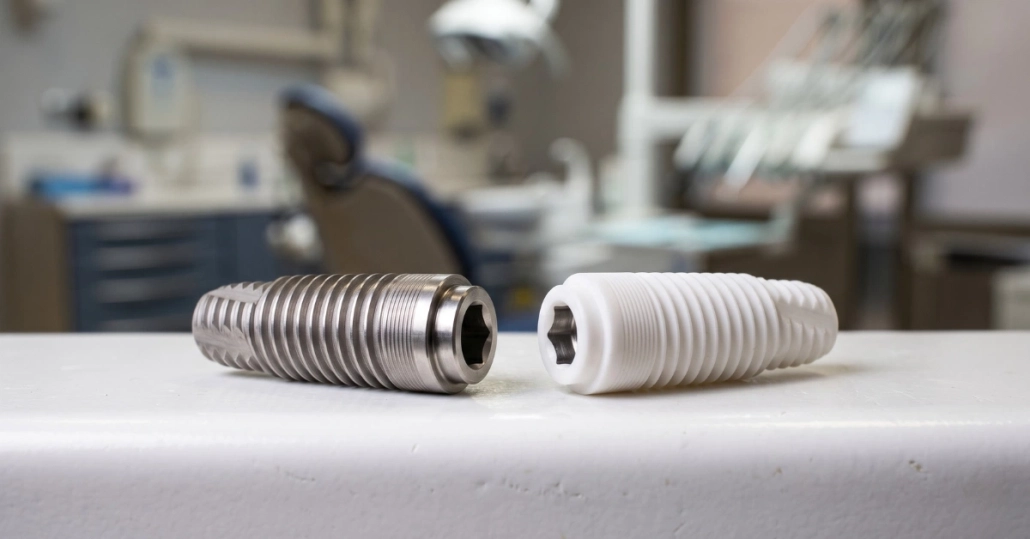
All-on-4 refers to a full-arch restoration supported by four standard size implants. All-on-X is a broader term for restorations that may use four, five, six, or more implants depending on anatomy. Stabili-teeth® is a specific full-arch system with its own protocols for implant placement and restoration. Our post on how All-on-4 and All-on-6 compare in practice covers those distinctions in more detail.
How important is a CT scan before a dental implant consultation?
A cone beam CT scan gives your surgical team a three-dimensional view of your bone structure, nerve locations, and sinus anatomy before any treatment planning begins. Treatment plans built on CT imaging tend to be more accurate than those based on standard X-rays alone.
What questions should I ask at a dental implant consultation?
Key questions include who performs the surgery, what your imaging shows, what is included in the quoted price, what the healing process looks like week by week, and what happens if complications arise. Our patient FAQ page covers additional questions patients commonly bring to their first appointment.
How do I prepare for my dental implant consultation at Optima?
Bring a list of your current medications and medical conditions, any prior dental X-rays or imaging you have on hand, and your questions about the procedure, timeline, and financing. You don’t need to arrange imaging beforehand – a free consultation at our Round Rock office includes 3D CT imaging on-site, so your treatment plan is based on your actual anatomy from the first visit.
Is there a free dental implant consultation near me in Austin or Round Rock?
Yes. Optima Dental Surgery Center offers a free dental implant consultation, including 3D imaging, at our Round Rock office, serving patients throughout Austin, Cedar Park, Pflugerville, Lakeway, Bee Cave, and the wider Central Texas area. New patients typically get on the schedule within about a week.
How long does recovery from full-arch dental implant surgery take?
Recovery varies based on procedure complexity, whether extractions or grafting were involved, and individual healing factors. Most patients experience the most significant discomfort in the first week, with steady improvement over the following weeks. The full process – from surgery to final restoration – typically spans several months.
Is it normal to feel nervous before dental implant surgery?
Yes, and acknowledging that directly in your dental implant consultation is worthwhile. Most patients who’ve been through the process say that the anticipation of surgery was more difficult than the surgery itself. A surgical team that addresses your concerns honestly is better positioned to support you throughout.
How can I tell if a dental implant provider is being transparent about pricing?
Transparent pricing means a provider walks through exactly what is and isn’t included in their quote, explains what factors could change the final cost, and gives you a clear picture of how implant financing works without pressure. If a consultation ends with urgency around signing, that’s worth noting as you evaluate your options.
Ready for a Consultation That Actually Answers Your Questions?
CT scan included. All-in pricing. No pressure to decide same day. Serving Austin, Round Rock, and the surrounding Central Texas area.