Your dentist mentioned you need treatment for gum disease – maybe “deep cleaning” or possibly “surgery” – and now you’re wondering which one you actually need. You’ve read that surgery is more invasive and expensive, so naturally you’re hoping deep cleaning will work. But you’re also worried about choosing the wrong approach and letting the disease progress.
I know this confusion because I walk patients through gum disease treatment options every week at Optima Dental Surgery Center. Understanding gum disease treatment options early helps prevent unnecessary progression and reduces the likelihood of invasive procedures later.
Here’s what most people don’t understand: the choice between scaling and root planing (deep cleaning) and surgery isn’t about picking the easier option. It’s determined by measurable clinical factors – your pocket depths, bone loss patterns, and disease severity.
What you’re about to read explains exactly how we decide which treatment you need, when non-surgical approaches work, when surgery becomes necessary, and what determines success with either approach. I’ll show you the clinical decision framework we use so you understand why one treatment works for early disease while another is required for advanced cases.
What Determines Your Gum Disease Treatment Options

Treatment recommendations for gum disease treatment options aren’t arbitrary. They’re based on specific, measurable factors that indicate disease severity and predict which approach will successfully control your condition. Understanding these factors helps you see why your periodontist recommends one treatment over another.
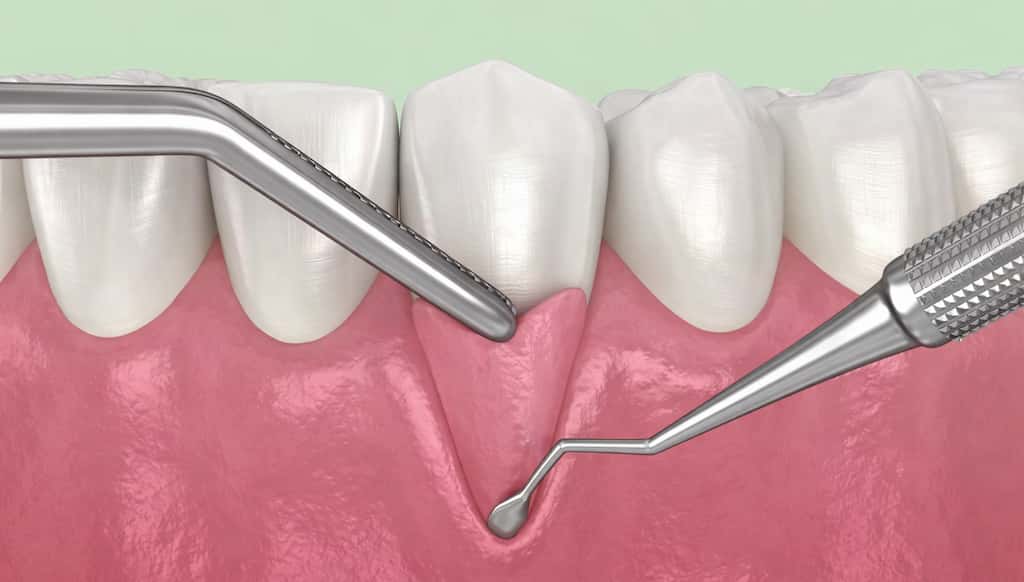
The primary indicator is pocket depth – the space between your gum and tooth measured with a periodontal probe. Healthy gums have pockets of 1-3mm. When pockets deepen to 4mm or more, bacteria colonize below the gumline where brushing and flossing can’t reach. The deeper the pockets, the more aggressive the treatment needs to be.
But pocket depth alone doesn’t tell the complete story. We also evaluate bone loss visible on x-rays, tooth mobility indicating attachment loss, the pattern of bone destruction, and your overall health and healing capacity. A 6mm pocket in someone with minimal bone loss and good health gets different treatment than the same pocket depth in a diabetic patient with 50% bone loss.
Here’s the general framework we use to determine gum disease treatment options based on disease severity and response: Mild disease with pockets of 4-5mm and minimal bone loss typically responds to non-surgical treatment. Moderate disease with pockets of 5-6mm requires non-surgical treatment first, with surgery as backup if it doesn’t work. Advanced disease with pockets consistently 6mm or deeper and significant bone loss usually needs surgical intervention from the start.
Treatment escalates based on severity and response. We try the least invasive approach that clinical evidence suggests will work. If non-surgical treatment successfully reduces pocket depths and controls inflammation, we stop there. If pockets remain deep and bleeding continues after deep cleaning, surgery provides the access needed to thoroughly treat areas that didn’t respond.
Scaling and Root Planing Within Gum Disease Treatment Options
For many patients, scaling and root planing is the first and most conservative of the gum disease treatment options available. This therapeutic procedure removes bacteria and calculus from deep below your gumline and smooths root surfaces so bacteria have fewer places to reattach.
The procedure typically takes two to four appointments, treating one or two quadrants at each visit. We numb the treatment area for comfort while cleaning several millimeters down into pockets, removing hardened deposits that have accumulated over months or years. Root planing smooths the surfaces, creating clean areas that help your gum tissue reattach. The goal is pocket reduction – shrinking 5mm or 6mm pockets down to 3mm or 4mm where you can maintain them.
Here’s when scaling and root planing is the right choice:
- Pocket depths measure 4-6mm: Deep enough to harbor disease but shallow enough for instruments to clean effectively without surgical access.
- Early to moderate periodontal disease: Inflammation and bone loss haven’t progressed to where tissue needs repositioning or bone needs grafting.
- Good overall health: Normal healing capacity without conditions like uncontrolled diabetes that would compromise results.
- No significant tooth mobility: Teeth remain firmly attached despite inflammation.
- Commitment to maintenance: You’ll return every three to four months for professional cleanings long-term.
Success means pocket depths reduce by 1-2mm and bleeding stops. We re-evaluate six to eight weeks after treatment. If pockets reduced to 4mm or less, we’ve succeeded. If they remain 6mm or deeper with continued bleeding, surgical intervention provides the access needed.
When Surgery Becomes Necessary Among Gum Disease Treatment Options
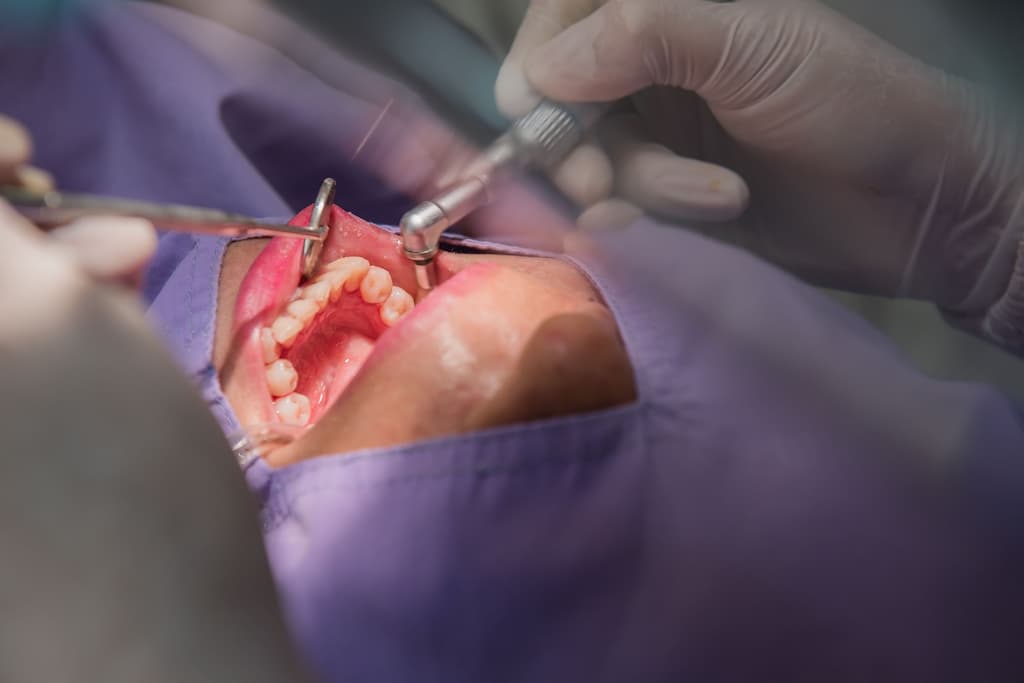
Surgery is one of the advanced gum disease treatment options, providing access to areas we can’t reach with non-surgical care. When pockets remain deep or bone loss creates defects, surgical intervention gives us direct visualization and access needed for complete treatment.
Pockets deeper than 6mm are nearly impossible to clean thoroughly without lifting the gum tissue. Surgery also allows us to reshape irregular bone, position gum tissue optimally, and place grafting materials where needed.
Here are your surgical treatment options:
- Flap Surgery (Pocket Reduction): We lift back gum tissue to expose roots and bone, clean root surfaces thoroughly under direct vision, reshape irregular bone if needed, then position tissue snugly and suture. Used when pockets are 6-7mm or deeper. Recovery takes about two weeks.
- Bone Grafting: Rebuilding destroyed bone using grafting material – your own bone, donor bone, or synthetic material. The graft acts as a scaffold your body replaces with your own bone over several months. Important for saving teeth with substantial support loss.
- Gum Grafting: Taking tissue from your palate or using donor tissue to cover exposed roots. Protects roots, reduces sensitivity, prevents further recession. Recovery takes two to three weeks.
- Guided Tissue Regeneration: Placing a biocompatible membrane between gum tissue and bone during healing to direct bone regrowth. Combined with bone grafting for significant bone loss.
- Laser-Assisted Treatment (LANAP): Using specialized laser to remove diseased tissue while leaving healthy tissue intact. Less invasive than traditional surgery with potentially shorter recovery.
Surgery becomes necessary when:
- Pocket depths persistently measure 6mm or deeper after scaling and root planing
- Significant bone loss has created defects needing reshaping or regeneration
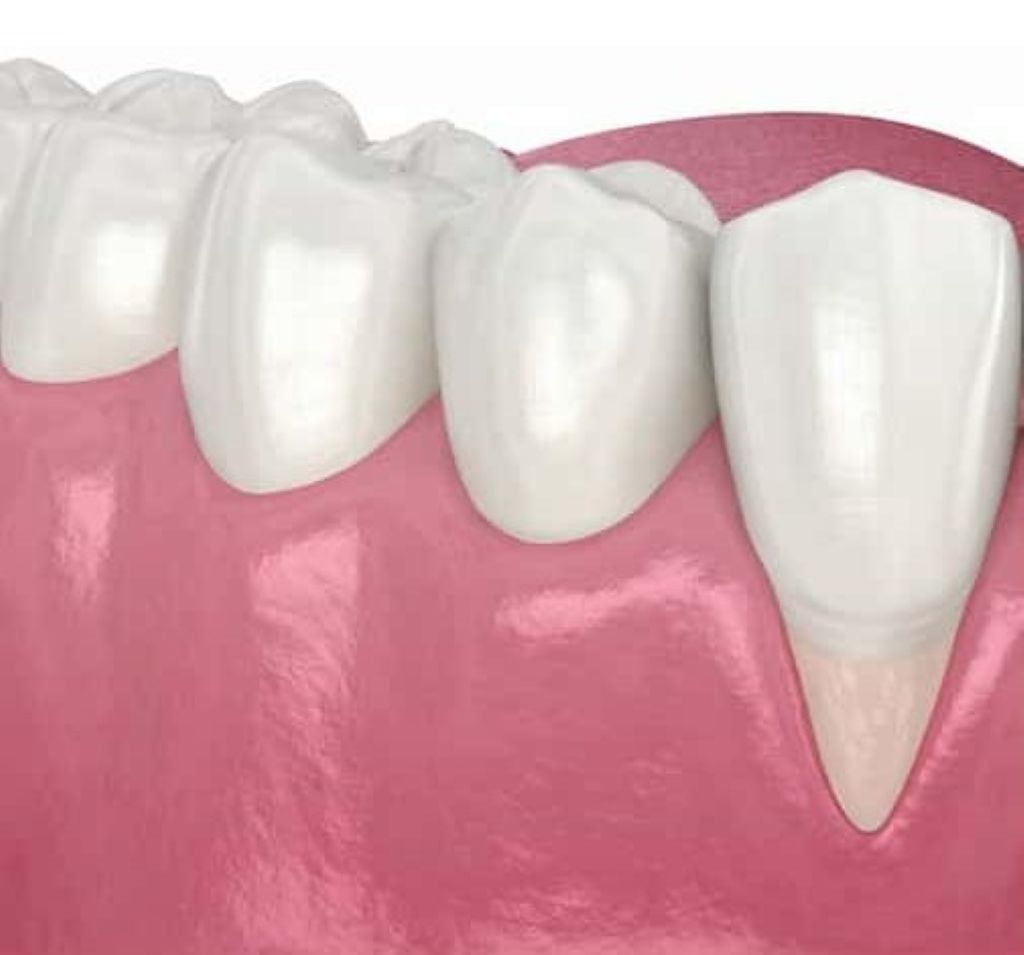
- Severe recession exposes roots extensively
- Furcation involvement occurs – bone loss between tooth roots where instruments can’t access
Following the Clinical Decision Path
Here’s the systematic approach I use to determine which gum disease treatment options are appropriate for you:
Starting Point – Initial Evaluation: We measure pocket depths at six sites around every tooth, take complete x-rays, test tooth mobility, and review your medical history. This comprehensive assessment provides the data guiding treatment decisions.
Decision Point 1 – Pocket Depths:
- 1-3mm healthy: Maintain with regular cleanings
- 4-5mm with inflammation: Scaling and root planing recommended
- 6mm+: Surgical evaluation needed
Decision Point 2 – Bone Loss:
- Minimal (under 30%): Non-surgical likely sufficient
- Moderate (30-50%): Non-surgical first, surgical if needed
- Severe (over 50%): Surgical typically necessary
Decision Point 3 – Treatment Response:
- Pockets reduced to 4mm or less: Success, move to maintenance
- Pockets remain 5-6mm but stable: Monitor closely
- Pockets remain 6mm+: Surgical intervention recommended
Decision Point 4 – Health Factors:
- Good health: All options available
- Compromised healing: May modify approach
- Significant medical conditions: Coordinate with physicians
Your treatment plan synthesizes all these factors, customized to your specific situation.
Comparing Gum Disease Treatment Options: Scaling and Root Planing vs. Surgery
Invasiveness:
Scaling and root planing is minimally invasive with no incisions. We use local anesthesia to numb the area while cleaning below the gumline. Surgery requires incisions to lift gum tissue, providing direct access to roots and bone. Both use anesthesia for comfort during the procedure.
Recovery Time:
After scaling and root planing, expect some gum tenderness for three to five days. You can return to normal activities immediately. Surgical procedures require two to three weeks for initial healing, with complete tissue maturation taking three to six months.
Cost:
Scaling and root planing averages $200-$300 per quadrant, with full-mouth treatment ranging from $400-$4,000. Surgical procedures cost $1,000-$3,000 or more per area depending on complexity and whether grafting is needed.
Success Rates:
About 39% of patients achieve complete success with scaling and root planing (pockets reducing to 5mm or less). Success varies significantly by tooth type – anterior teeth respond better than molars. Surgery achieves higher success rates for deep pockets and provides more predictable outcomes for severe disease.
Long-term Maintenance:
Both approaches require professional cleaning every three to four months and excellent daily home care. Success with either treatment depends more on your maintenance commitment than the treatment type chosen. Surgery may eventually allow spacing cleanings to every six months once disease stabilizes.
Why Treatment Often Happens in Stages
Many patients assume gum disease treatment options are limited to one choice, but treatment is often staged and customized by area. In reality, treatment often happens in stages, with different areas of your mouth potentially needing different approaches.
The typical sequence starts with scaling and root planing throughout your entire mouth. This gives non-surgical treatment a fair chance to work everywhere. Six to eight weeks later, we re-evaluate. Areas that responded well – pockets reduced, bleeding stopped – move to maintenance. Areas that didn’t respond adequately – pockets still 6mm or deeper, continued inflammation – receive surgical intervention.
This staged approach makes clinical and practical sense. We avoid unnecessary surgery in areas where deep cleaning works. We focus surgical intervention on problem areas that truly need it. You experience less overall invasiveness, faster recovery, and lower cost than if we had started with surgery everywhere.
Tooth anatomy also influences treatment needs. Anterior teeth with simpler root structures often respond well to non-surgical treatment. Molars with complex anatomy and furcations frequently need surgical access. It’s not unusual to have scaling and root planing work perfectly for your front teeth while your back molars require flap surgery.
This “try conservative first, escalate as needed” philosophy means you get exactly the treatment each area requires – no more invasive than necessary, but as aggressive as needed for success.
What Affects Treatment Outcomes
Selecting the right gum disease treatment options matters, but success also depends on healing capacity and long-term maintenance. These factors – many within your control – determine whether scaling and root planing or surgery actually works for you.
- Smoking status: Smokers experience 50% lower success rates with any periodontal treatment. Nicotine restricts blood flow to gums, impairs healing, and weakens immune response. Quitting before treatment dramatically improves your odds of success.
- Diabetes control: Well-managed diabetes allows normal healing from either non-surgical or surgical treatment. Uncontrolled blood sugar compromises healing, feeds bacterial growth, and reduces treatment effectiveness significantly.
- Oral hygiene compliance: Perfect home care is non-negotiable. Even the best treatment fails without daily brushing twice and flossing once. Your daily habits between professional treatments determine long-term success more than the treatment itself.
- Maintenance appointment adherence: Skipping your three-to-four-month cleanings allows bacteria to recolonize and disease to return. Professional maintenance isn’t optional after periodontal treatment – it’s what keeps the disease controlled.
- Overall health and medications: Conditions affecting immune function, medications like immunosuppressants or blood thinners, and healing capacity all influence outcomes. We factor these into treatment planning and expectations.
- Disease severity at start: Earlier intervention means better outcomes with less invasive treatment. Advanced disease has inherently lower success rates because more damage has already occurred.
You control the most important success factors. Treatment selection plus your commitment to home care and maintenance equals success. This is a partnership – I provide the clinical intervention, you provide the daily maintenance that makes it work long-term.
Questions to Ask at Your Consultation

Walk into your periodontal consultation prepared to participate in the decision-making process. These questions help you understand your specific situation and the reasoning behind treatment recommendations:
- What are my exact pocket depths and where are the deepest areas?
- How much bone loss do I have and which teeth are most affected?
- Do you recommend trying scaling and root planing first or going straight to surgery?
- What’s your success rate with patients at my disease severity?
- How long until we know if non-surgical treatment worked?
- If I need surgery, which areas and what specific procedures?
- What’s the cost difference between my options?
- How will my diabetes/heart condition/medications affect treatment?
- What’s the realistic timeline from start to stable maintenance?
- What happens if I choose to delay treatment?
Don’t hesitate to ask these questions. Understanding the “why” behind recommendations helps you make informed decisions and commit to the treatment plan. Get clear expectations about timeline, costs, and what success looks like for your specific situation.
Understanding Your Treatment Options Leads to Better Outcomes
The choice among gum disease treatment options isn’t about picking the easier option or avoiding surgery. It’s determined by measurable clinical factors – your pocket depths, bone loss severity, and disease progression. Neither treatment is inherently “better.” Each has its place based on disease severity.
We start with the least invasive approach that evidence suggests will work. For early to moderate disease, that means scaling and root planing. For advanced disease or when non-surgical treatment doesn’t adequately reduce pocket depths, surgery provides the access and repair capability needed for success. Often, you need both – deep cleaning in some areas, surgery in others.
At Optima Dental Surgery Center, Dr. Owens conducts thorough evaluations that measure your pocket depths, assess bone loss, and determine which treatment approach your specific situation requires. No guesswork, no one-size-fits-all recommendations – just systematic assessment that matches treatment to disease severity.
Schedule a comprehensive periodontal evaluation. We’ll measure your pockets, review your x-rays, explain exactly which treatment you need and why, and create a plan that gives you the best chance of controlling your gum disease long-term. When gum disease treatment options are matched correctly to disease severity, outcomes are more predictable and tooth retention improves significantly.
Frequently Asked Questions About Gum Disease Treatment Options
How do I know if I need surgery or just deep cleaning?
Pocket depth is the primary indicator used to determine ggum disease treatment options. Pockets of 4-6mm with minimal bone loss typically respond to scaling and root planing. Pockets consistently 6mm or deeper, especially with significant bone loss, usually require surgical intervention. Your periodontist will measure your pockets and assess your x-rays to make this determination based on clinical evidence, not guesswork.
Can I try deep cleaning first even if my pockets are deep?
Often yes. We frequently try scaling and root planing first unless disease is so advanced that surgery is clearly necessary from the start. This “conservative first” approach gives non-surgical treatment a chance to work. If it doesn’t adequately reduce your pocket depths after six to eight weeks, we then proceed with surgery in areas that need it.
Is surgery always successful?
No treatment guarantees 100% success, but surgery achieves higher success rates for deep pockets than non-surgical treatment alone. Success depends on multiple factors including your oral hygiene, smoking status, diabetes control, and commitment to maintenance. Surgery provides better access for thorough treatment and allows repair of damage that deep cleaning can’t address.
How much more expensive is surgery than scaling and root planing?
Scaling and root planing costs $200-$300 per quadrant, averaging $800-$1,200 for full-mouth treatment. Surgical procedures run $1,000-$3,000 or more per area depending on complexity. However, you may only need surgery in specific problem areas while other areas maintain well with deep cleaning, reducing overall cost compared to surgery everywhere.
Will I need surgery on all my teeth or just some areas?
Usually not all areas need surgery. It’s common for some teeth to respond well to scaling and root planing while others require surgical intervention. Anterior teeth often respond better to non-surgical treatment than molars with complex root anatomy. We treat each area based on how it responds to initial therapy.
What happens if I skip treatment altogether?
Gum disease progresses without treatment. Pockets deepen, more bone is destroyed, teeth become loose, and eventually you lose teeth. The disease also creates chronic inflammation that affects your overall health. Delaying treatment means needing more invasive procedures later and potentially losing teeth that could have been saved with earlier intervention.
Can I get a second opinion about needing surgery?
Absolutely. If surgery is recommended and you’re uncertain, a second opinion from another periodontist is completely appropriate. Bring your x-rays and periodontal charting so the second doctor can evaluate the same clinical data. Any reputable periodontist will respect your desire to confirm the recommendation.